Perfumes with patchouli
What once began as an earthy, almost raw scent from Southeast Asia has evolved into a cornerstone of niche perfumery. From the pure, unpolished elegance of Lorenzo Villoresi to the dark sensuality of Nasomatto, patchouli refuses to be confined to a single style. Earthy, woody or velvety smooth, this note brings depth, sillage and a distinctive signature. Discover in our collection how patchouli unfolds from rain-soaked forest floor to liquid luxury in its most refined form.

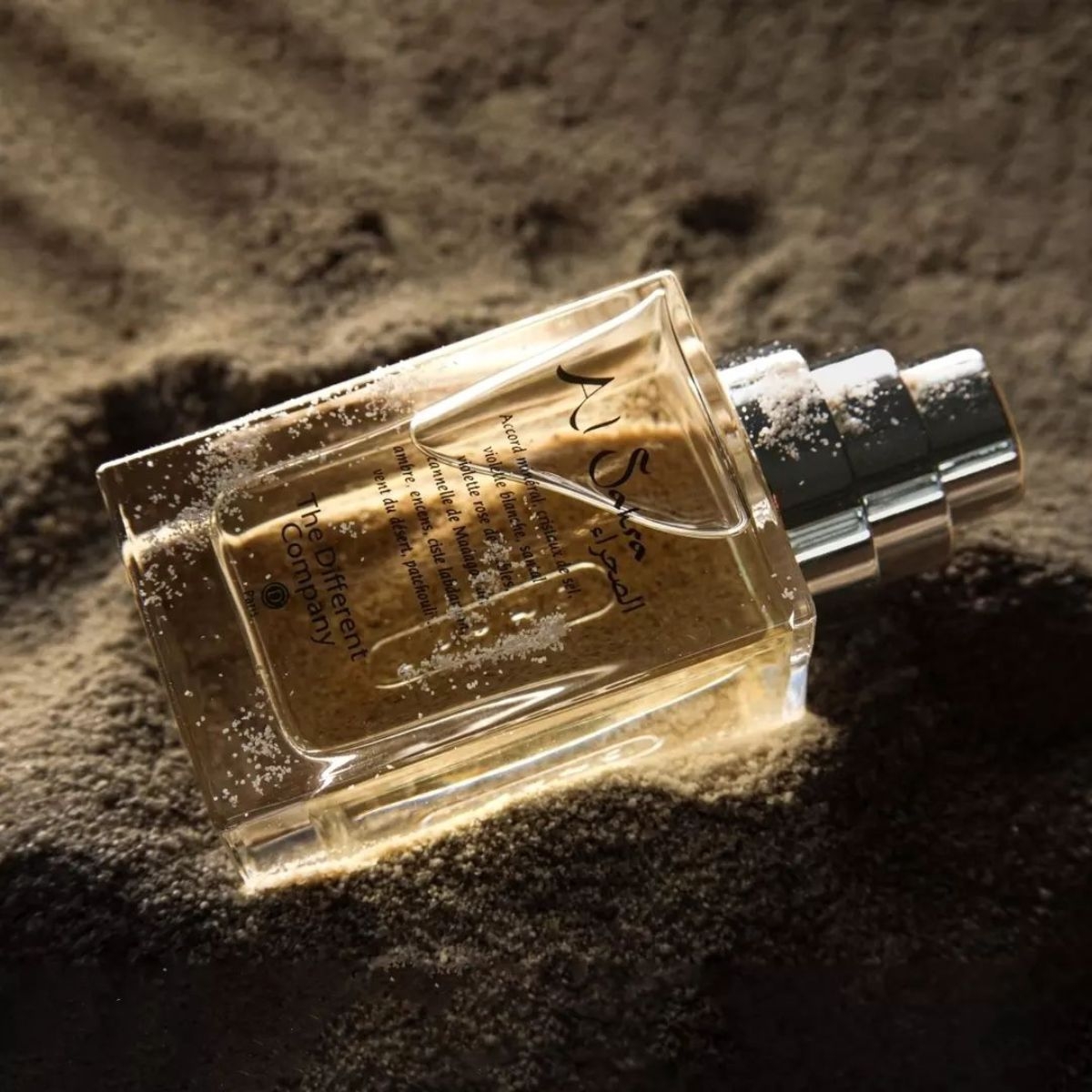


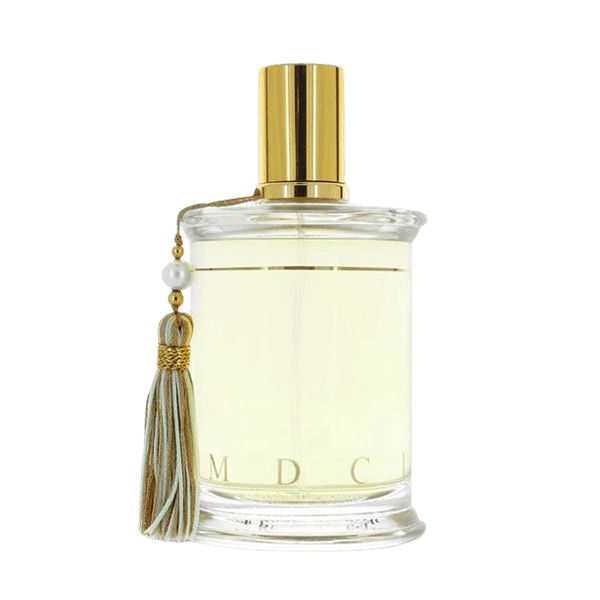
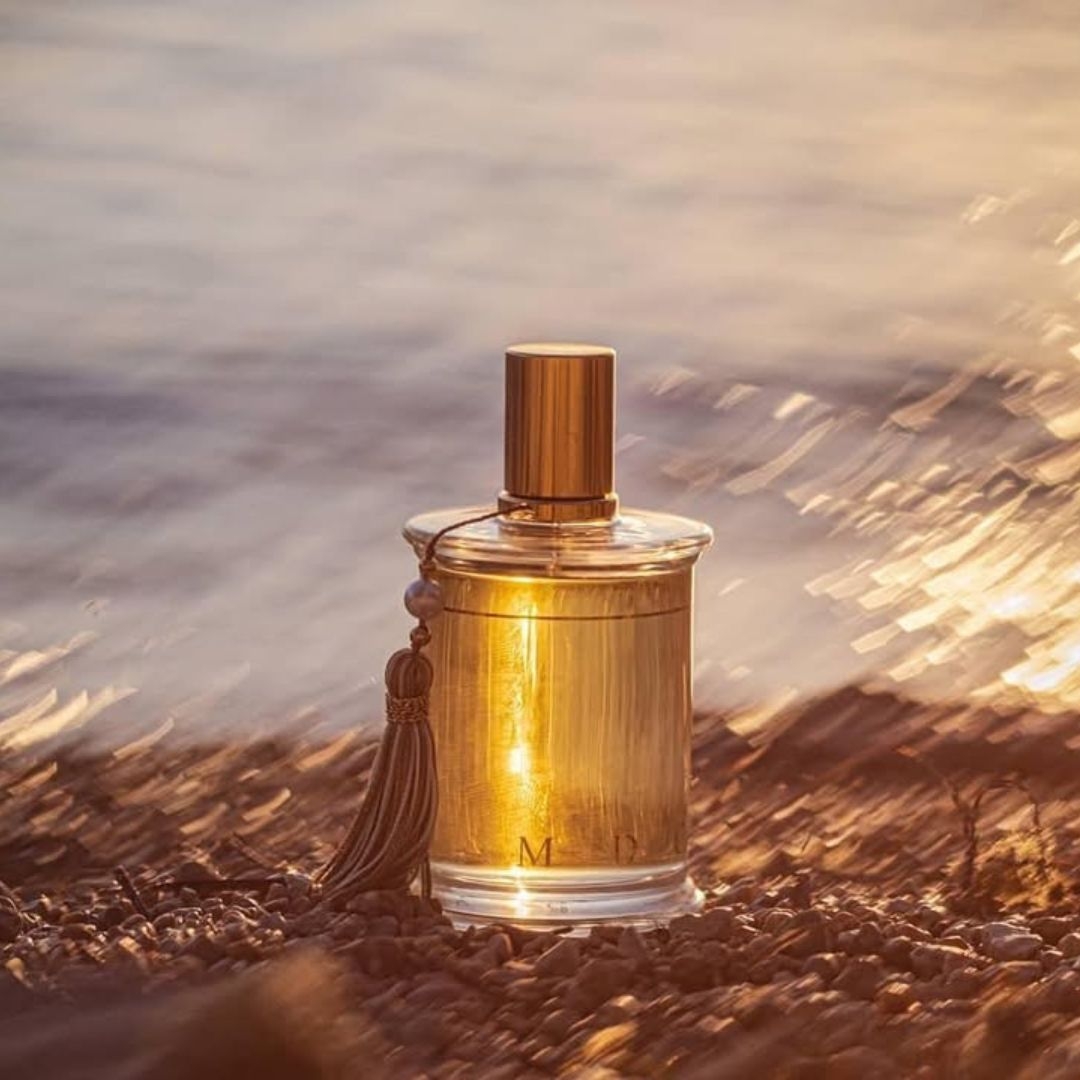
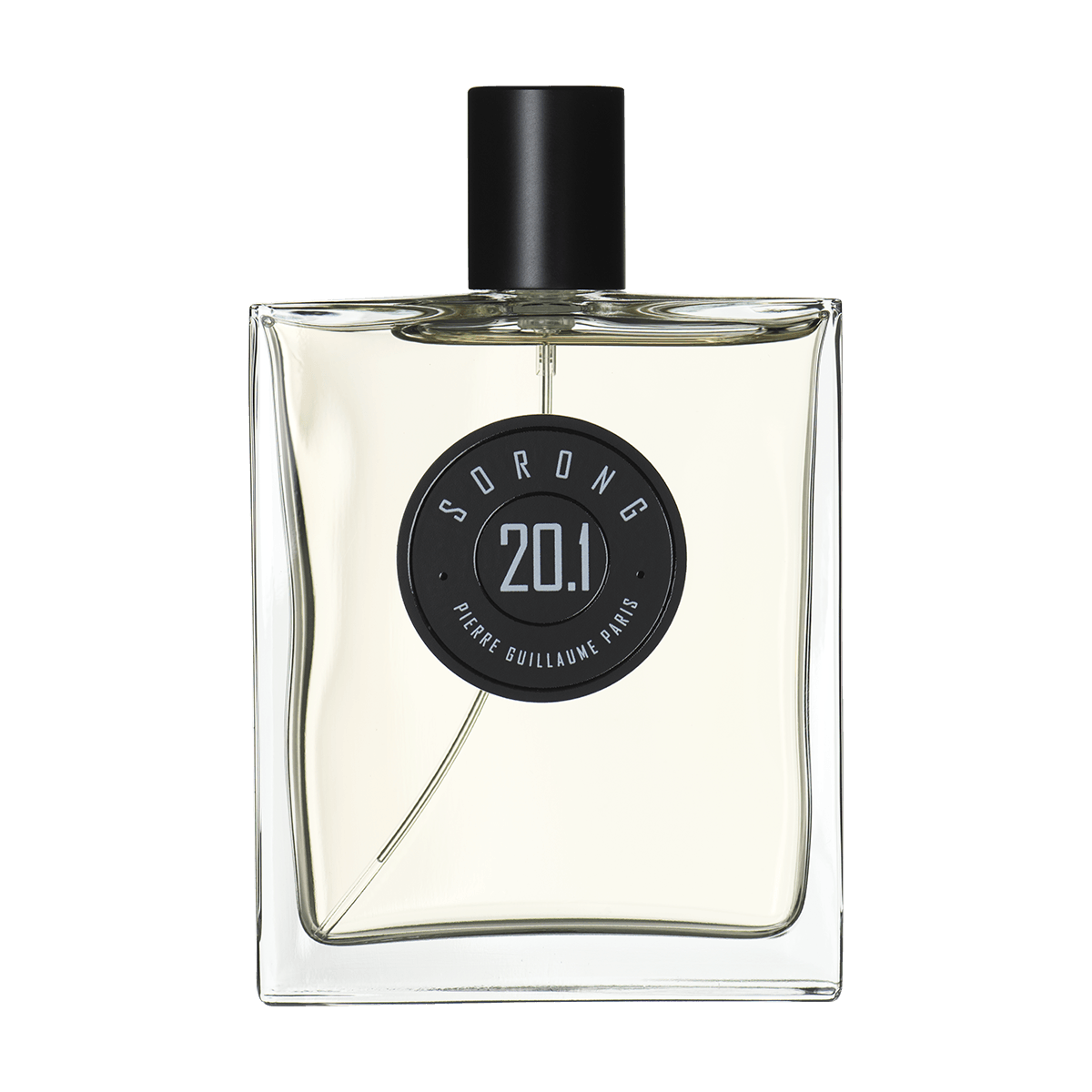
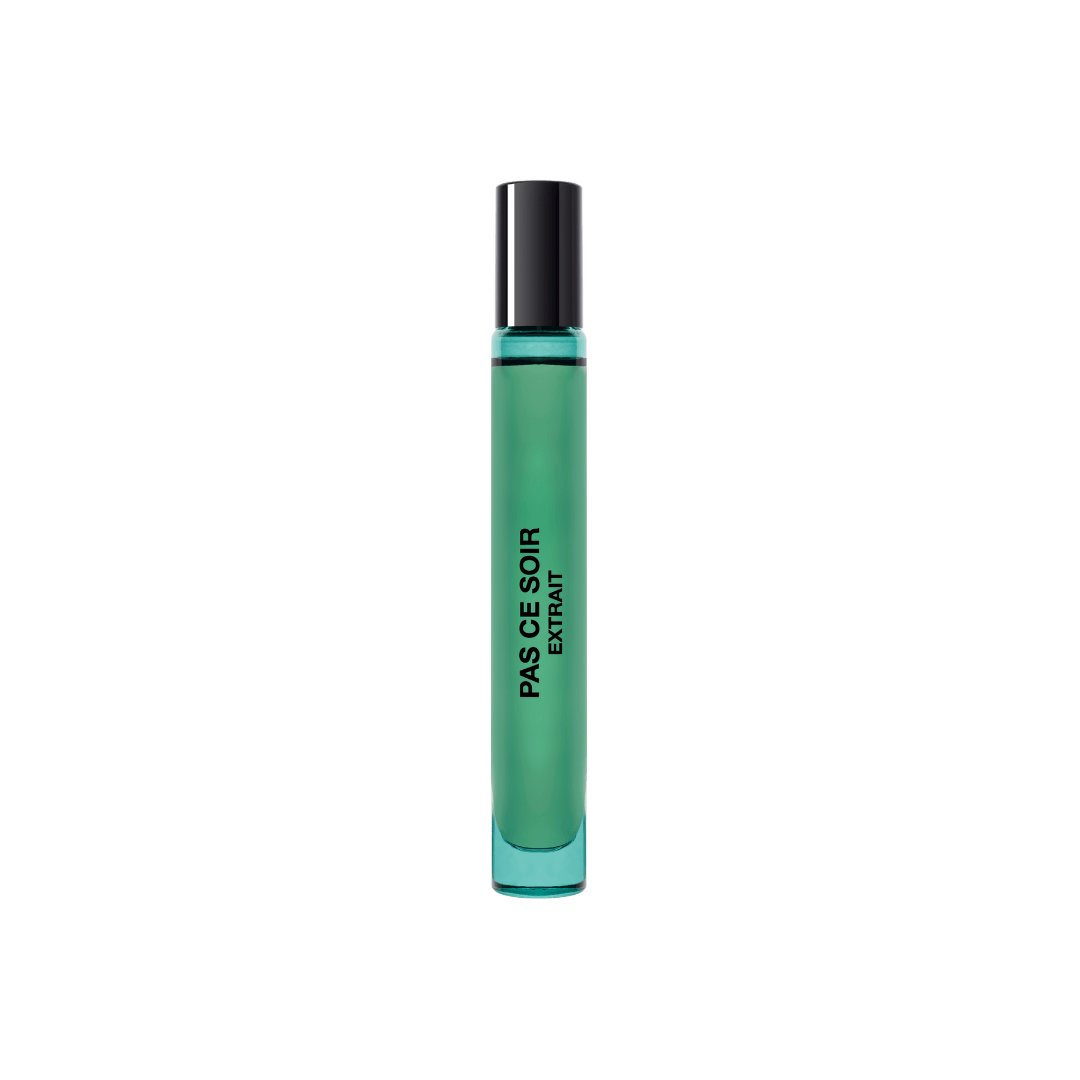
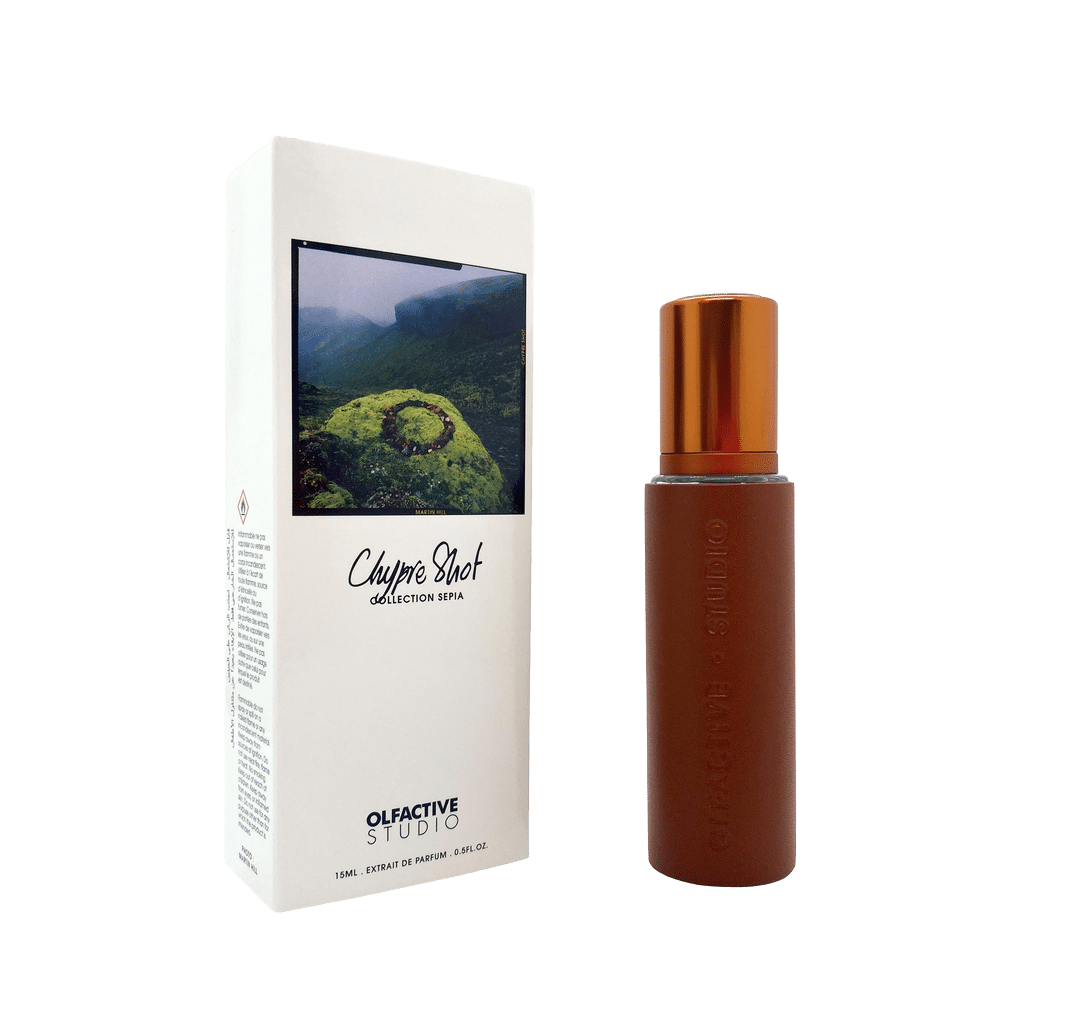
Patchouli perfume: from earthy depth to refined niche luxury
Do you recognize that rich, unmistakable scent of the earth just after a warm summer rain? Scientifically known as petrichor, it carries a deep, damp, woody facet that connects you instantly to nature. More often than not, what you are sensing is closely related to the essence of patchouli. At Perfume Lounge, we see every day how this singular note evokes strong and often contrasting emotions. For some, it recalls the free-spirited 1970s. For others, it represents the height of contemporary luxury and artistic perfumery.
What makes a patchouli perfume so compelling, and why does it deserve a place in a serious fragrance wardrobe? In our Amsterdam boutique and online store, we have observed a clear shift in perception. Where patchouli was once associated with a clichéd “hippie” image, often the result of low-grade synthetic oils, today it is embraced for its complexity and sophistication. Niche houses such as Lorenzo Villoresi and Nasomatto demonstrate how refined and multi-layered this material can be. From its Indonesian roots to the most exclusive creations on our shelves, here is what defines patchouli at its finest.
The botanical origin: what is patchouli?
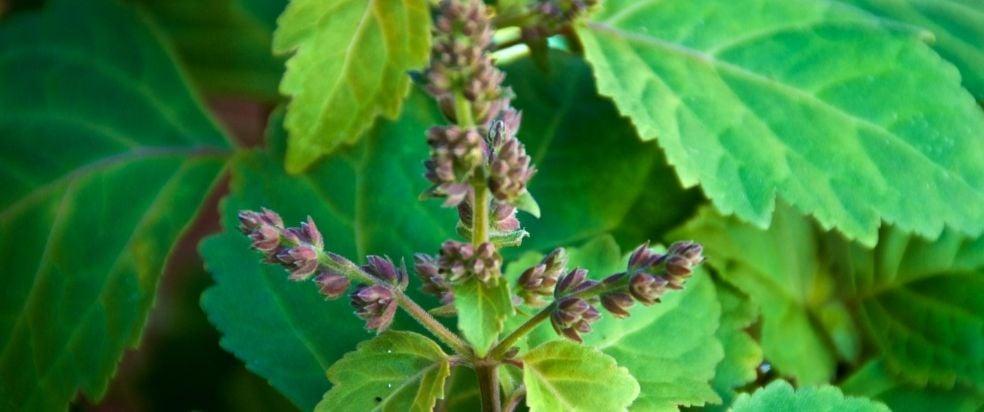
Despite its dark, woody character, patchouli is not a wood. Its botanical name is Pogostemon cablin, an aromatic herb from the mint family (Lamiaceae). The plant has soft, slightly hairy leaves and small pale pink-white flowers.
It originates in the humid tropical regions of Southeast Asia. Today, Indonesia, particularly the islands of Sumatra and Sulawesi, remains the leading producer of high-quality patchouli oil, alongside the Philippines. Climate and soil composition are decisive factors in developing the richness of the oil. Interestingly, fresh leaves have very little scent. The distinctive aroma emerges only through careful post-harvest processing.
From leaf to liquid gold
The transformation begins after harvest. The leaves are dried in the shade and often lightly fermented before undergoing steam distillation. This fermentation stage is critical: it breaks down the plant’s cell walls and allows the essential oil to develop its characteristic profile. The result is earthy, woody and slightly smoky, sometimes revealing unexpected nuances of dark chocolate, sweet balsamic warmth or even a subtle minty freshness in the opening.
For connoisseurs, one fact stands out: patchouli oil is among the rare natural raw materials that improve with age. Fresh oil can appear sharp or overly green. Matured oil becomes darker in color, more viscous and significantly rounder, with a softer, almost fruity depth.
The rich history of patchouli: from textile protector to fashion icon
Long before it became associated with counterculture in the 1960s and 1970s, patchouli had already built a reputation for luxury. In the nineteenth century, it arrived in Europe via trade routes connecting India and the Middle East. Patchouli leaves were placed between precious cashmere and silk shawls to protect them from moths during transport.
The scent infused the fabrics, and in cities such as Paris and London it became synonymous with exoticism and wealth. To smell of patchouli was to signal access to rare and valuable goods.
Its image later suffered due to the widespread use of inexpensive synthetic oils. Modern niche perfumery has decisively restored its prestige. Today, patchouli signifies depth, character and impressive sillage. It is a foundational material in contemporary fragrance design.
Who is patchouli for?
Traditional commercial perfumery often segments by gender. In niche perfumery, those boundaries dissolve. Patchouli is inherently unisex. Its effect depends entirely on composition and concentration.
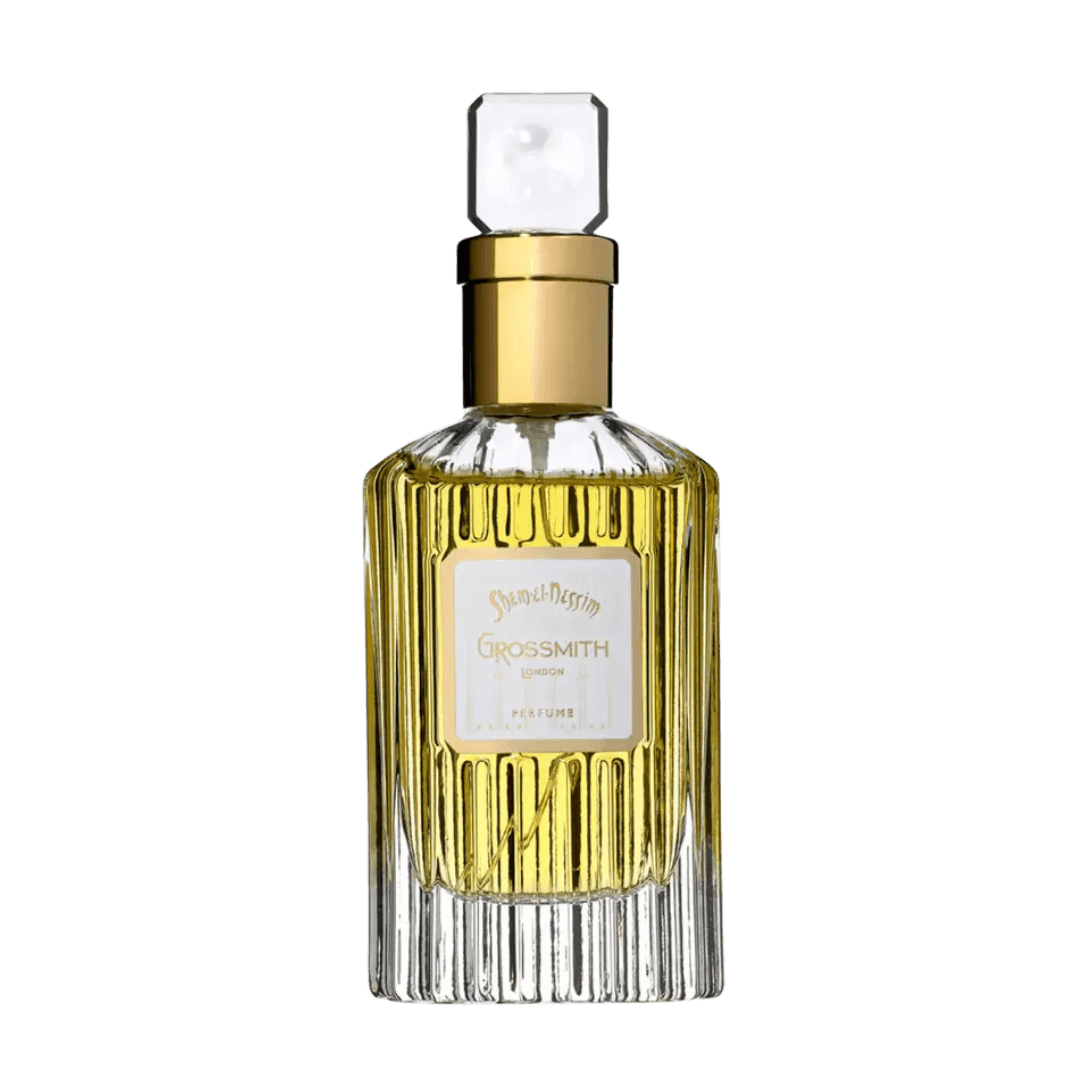
In compositions often marketed toward women, patchouli frequently appears in chypre or floriental structures, softened with rose, creamy vanilla or warm amber. The result is sensual, enveloping and elegant. A refined example is Golden Chypre by Grossmith.
In fragrances positioned for men, patchouli is often paired with leather, tobacco, cedarwood or vetiver, emphasizing its darker, smokier facets. Examples include Intrigant Patchouli by Pierre Guillaume and Patchouli Sauvage by Houbigant.
In practice, however, marketing categories are secondary. The decisive factor is how the fragrance interacts with your skin chemistry and personal style. A well-crafted patchouli eau de parfum can be striking on anyone who appreciates depth and presence.
Our favourites: niche patchouli perfumes highlighted
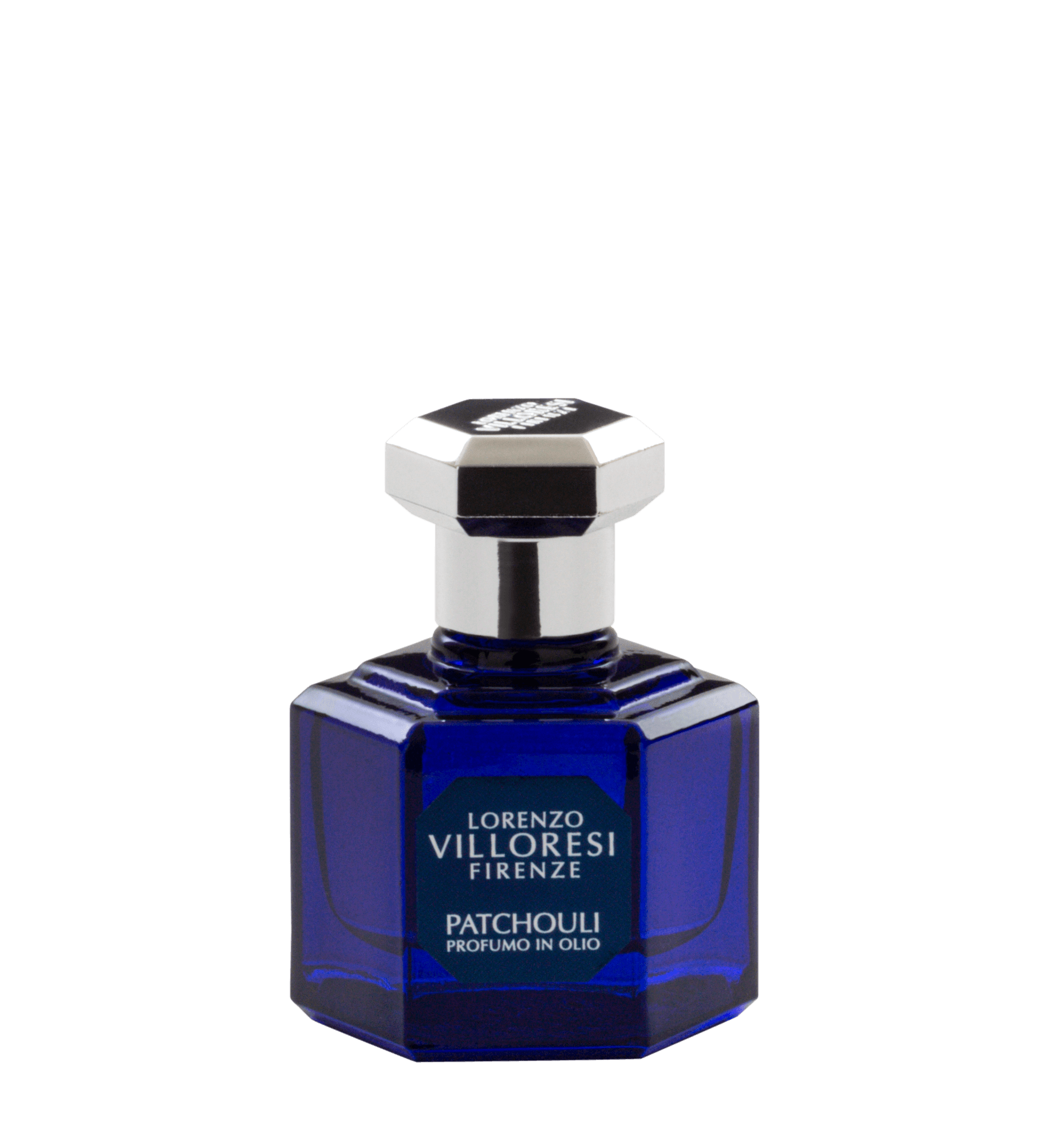
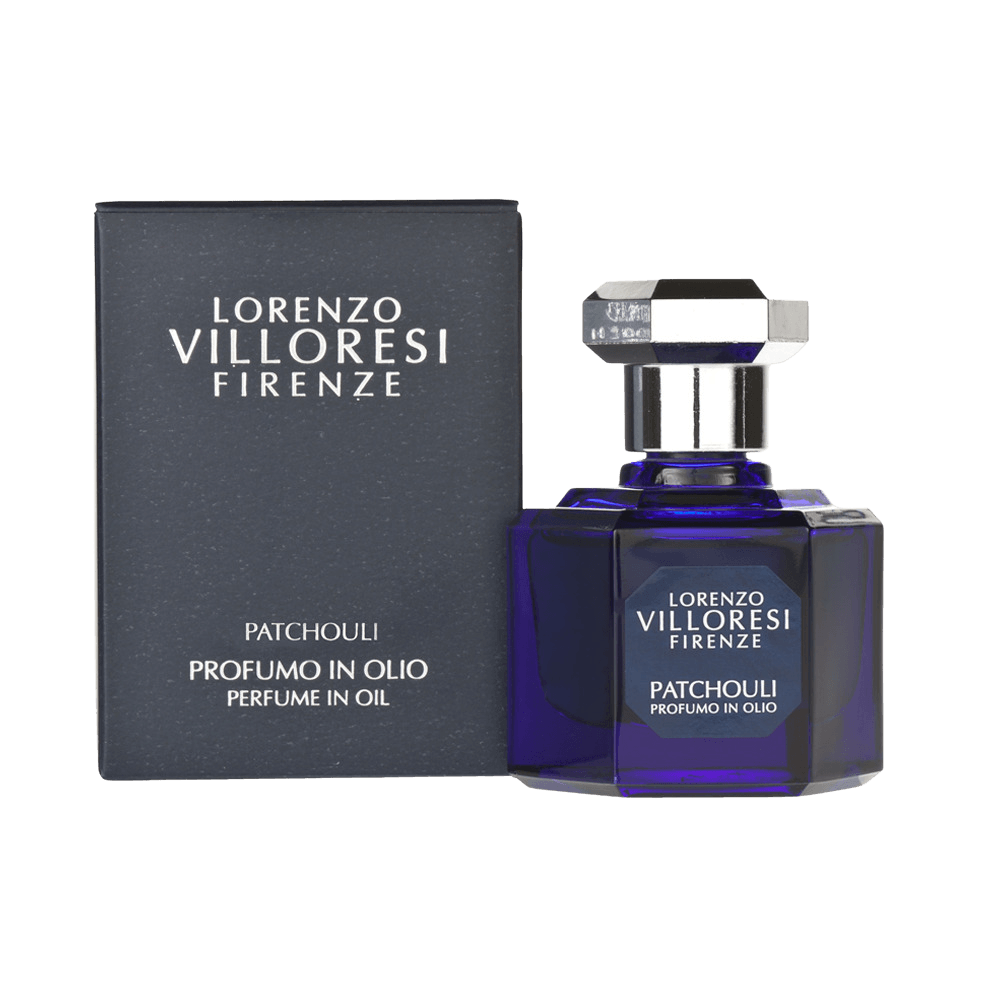
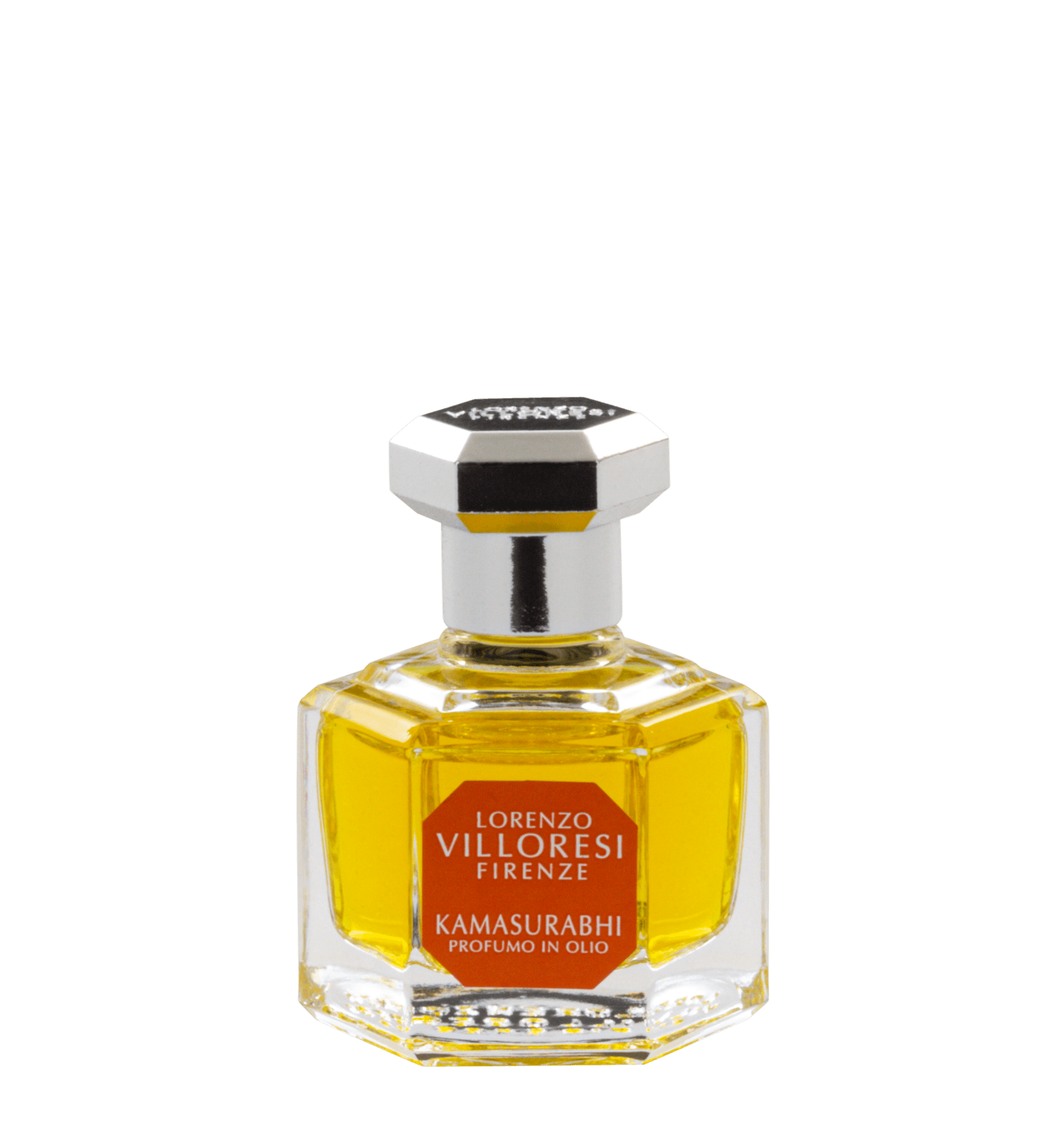
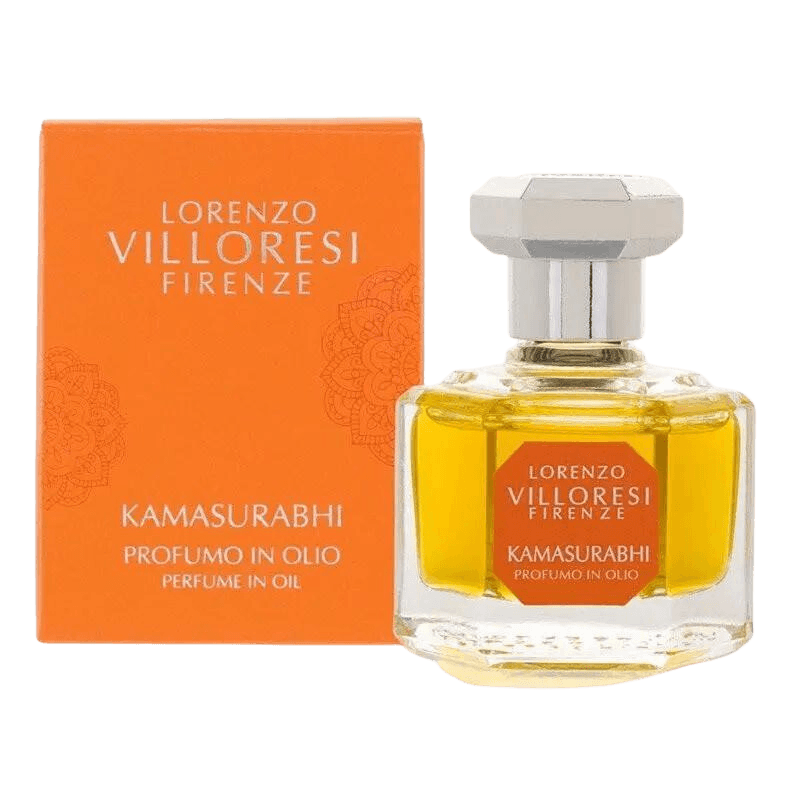
Lorenzo Villoresi - Patchouli
A reference point for purists. Earthy, green and uncompromising, it captures the atmosphere of damp soil and roots, subtly lifted by lavender in the opening. Timeless and structurally precise.
Francesca Bianchi - Sticky Fingers
Decadent and bold. Patchouli is blended with tobacco, leather and iris butter, resulting in an intimate, intense composition with strong projection and undeniable sensuality.
Hiram Green - Arbolé
Composed exclusively with natural materials, this fragrance presents a softer, almost powdery patchouli supported by cedarwood and sandalwood. Warm, enveloping and technically impressive in longevity.
Nasomatto - Pardon
Created by Alessandro Gualtieri, this composition juxtaposes dark chocolate, magnolia and a substantial dose of patchouli with oud. Elegant, yet edged with a raw undertone characteristic of the house.
How to wear patchouli
Patchouli is a base-heavy material with significant tenacity. You typically need fewer sprays compared to citrus-dominant fragrances. Apply one or two sprays to pulse points such as wrists, neck or behind the ears. Body heat facilitates the evaporation curve, allowing the top notes to transition seamlessly into the darker base.
Its warmth makes it particularly suitable for autumn and winter, where it provides comfort and structure. In warmer climates or summer evenings, a floral-leaning patchouli can become unexpectedly seductive. It also performs well in layering. If a fragrance feels overly sweet or floral, adding a discreet patchouli base can introduce depth and maturity.
Frequently asked questions about patchouli
What does patchouli smell like?
Patchouli is complex and multi-dimensional. It is generally described as earthy, woody, spicy and slightly musky. Depending on origin and maturation, it can also exhibit facets reminiscent of cocoa, red wine, mint or damp forest floor.
How does patchouli function in a perfume composition?
It provides depth, warmth and fixation. As a base note, it anchors lighter materials such as bergamot or rose and extends the longevity of the fragrance. It contributes sensuality, structure and a subtle darkness.
Is patchouli masculine or feminine?
Patchouli is inherently gender-neutral. Its perceived character depends entirely on the surrounding accords. In niche perfumery, it is treated as a structural material rather than a gendered statement.
Where does high-quality patchouli come from?
The finest oil is widely considered to originate from Indonesia, particularly Sumatra and Sulawesi. India, China and Malaysia also produce patchouli, but Indonesian oil remains the benchmark for depth and quality.
Which well-known perfumes feature patchouli?
Beyond niche creations, patchouli has played a defining role in classics such as Mitsouko (Guerlain, 1919), Miss Dior (Dior, 1947), Angel (Thierry Mugler, 1992) and Coco Mademoiselle (Chanel, 2001).
In contemporary perfumery, patchouli is no longer a stereotype. It is a sophisticated raw material capable of expressing elegance, intensity, sensuality and technical refinement. For those building a considered fragrance collection, it is not optional. It is foundational.