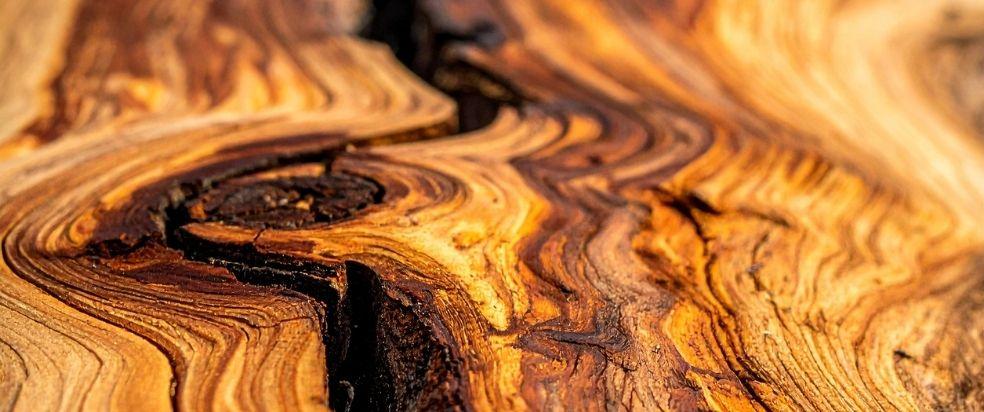
Oud perfumes
Oudh, the liquid gold of perfumes. Rare, intense, and enchanting: oudh is a mysterious fragrance that evolves on the skin. Sometimes woody, sometimes smoky, sometimes animalic, but always full of character. Our exclusive collection of niche perfumes reveals the depth and versatility oudh.
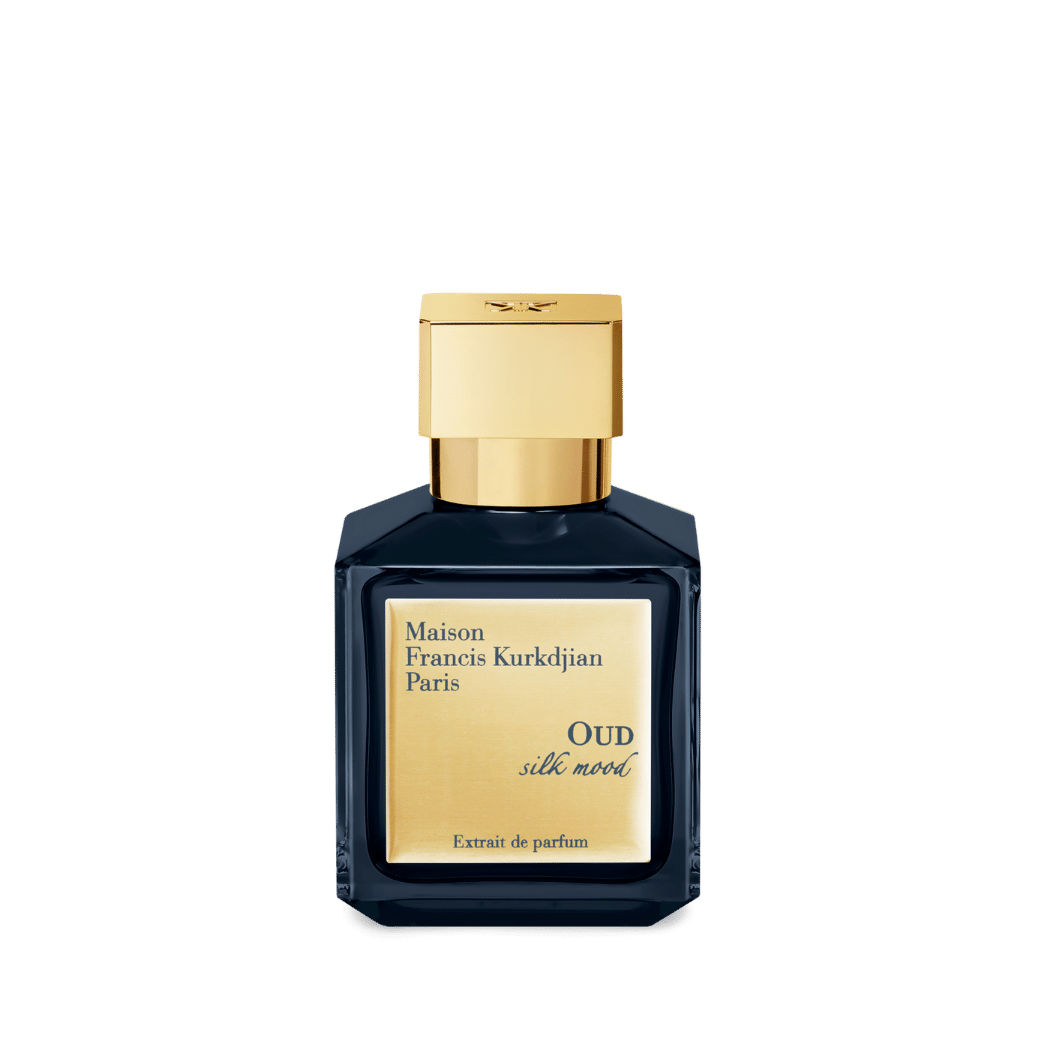
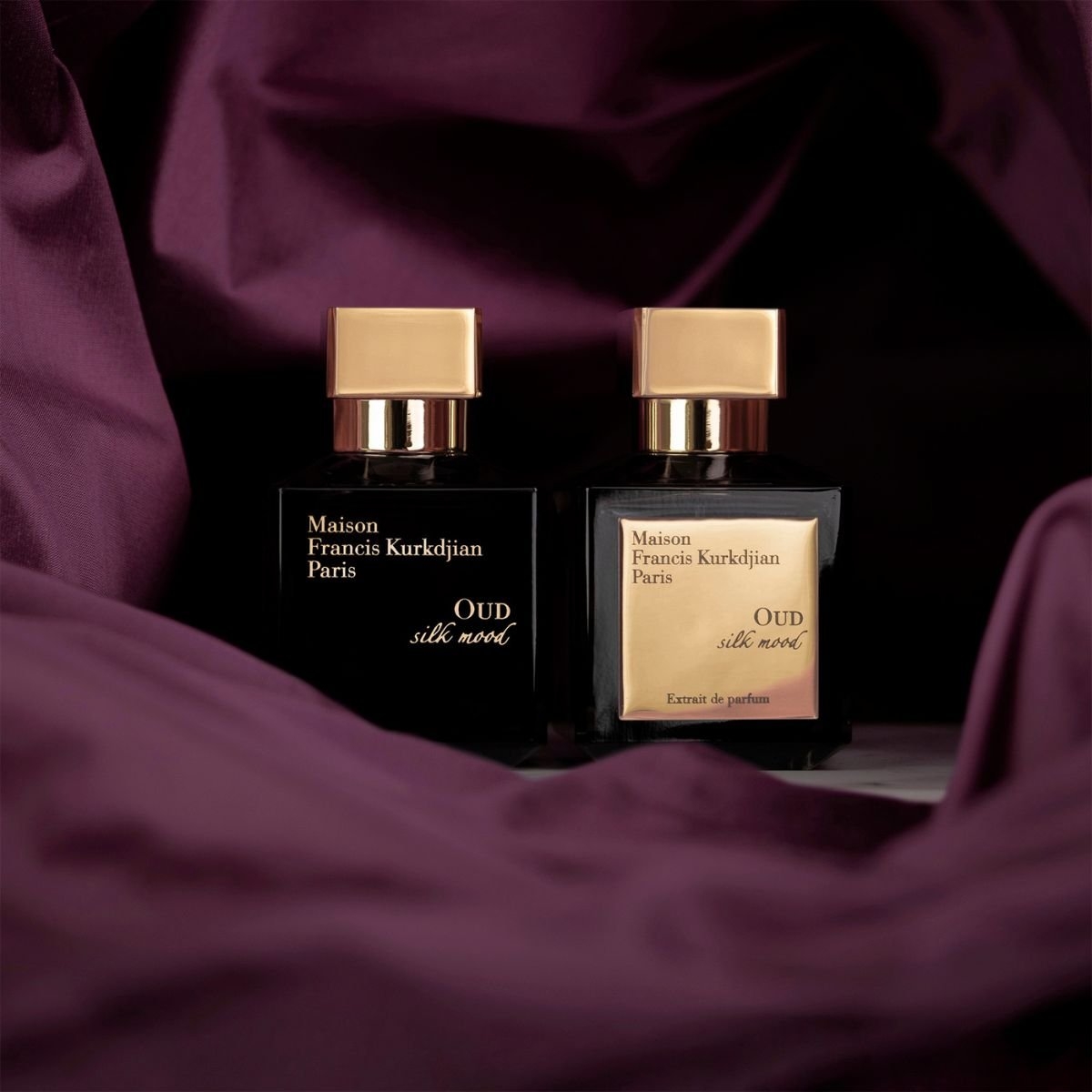
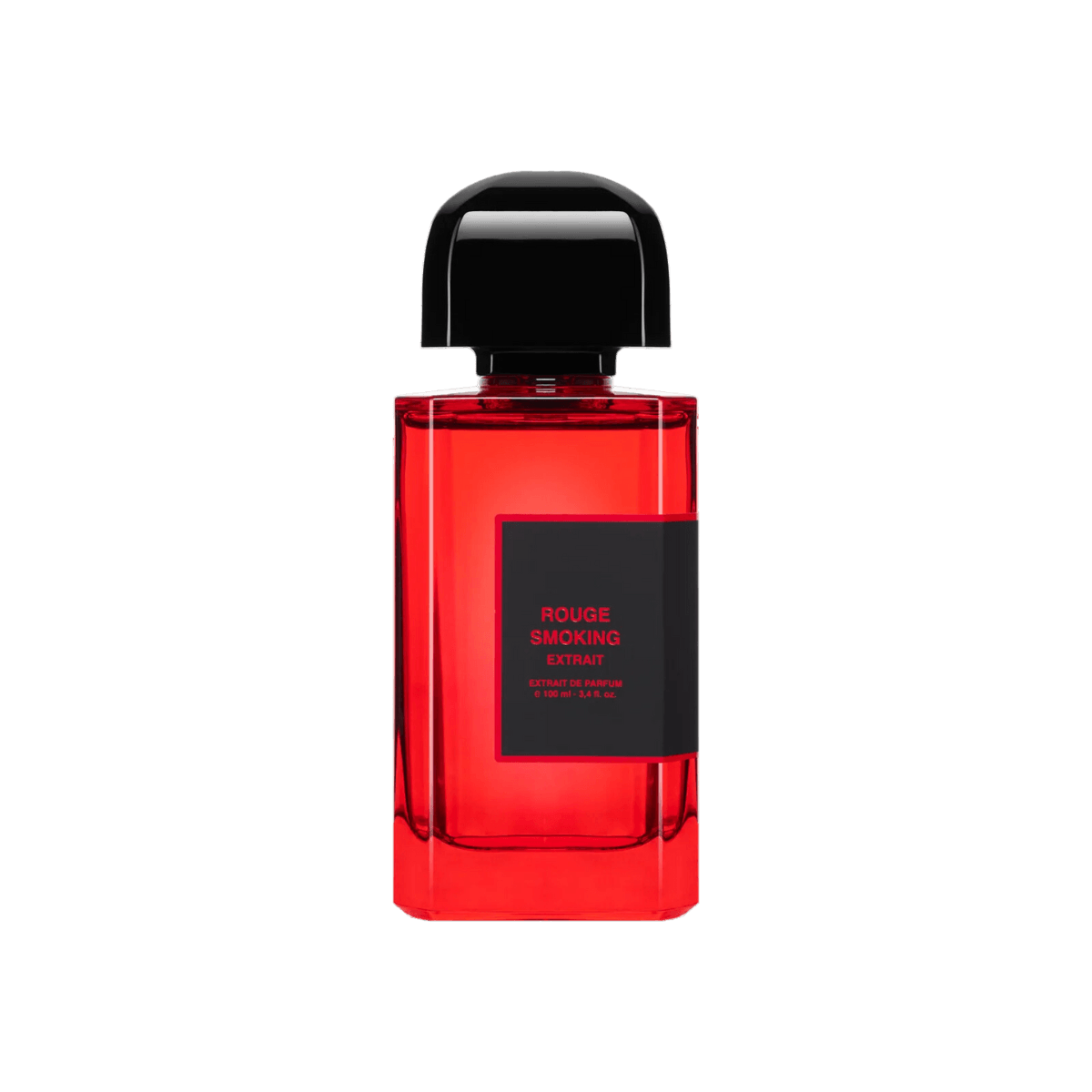
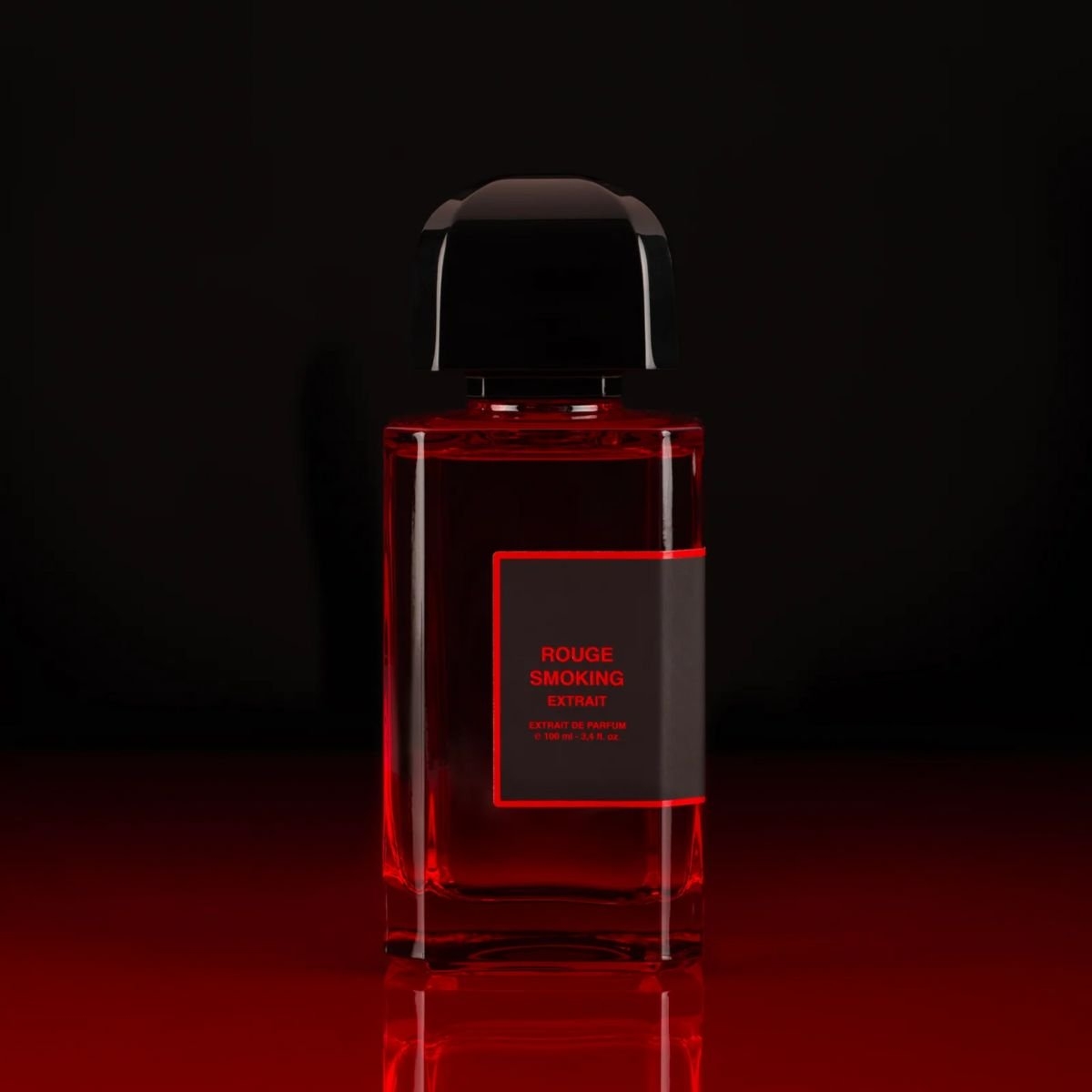
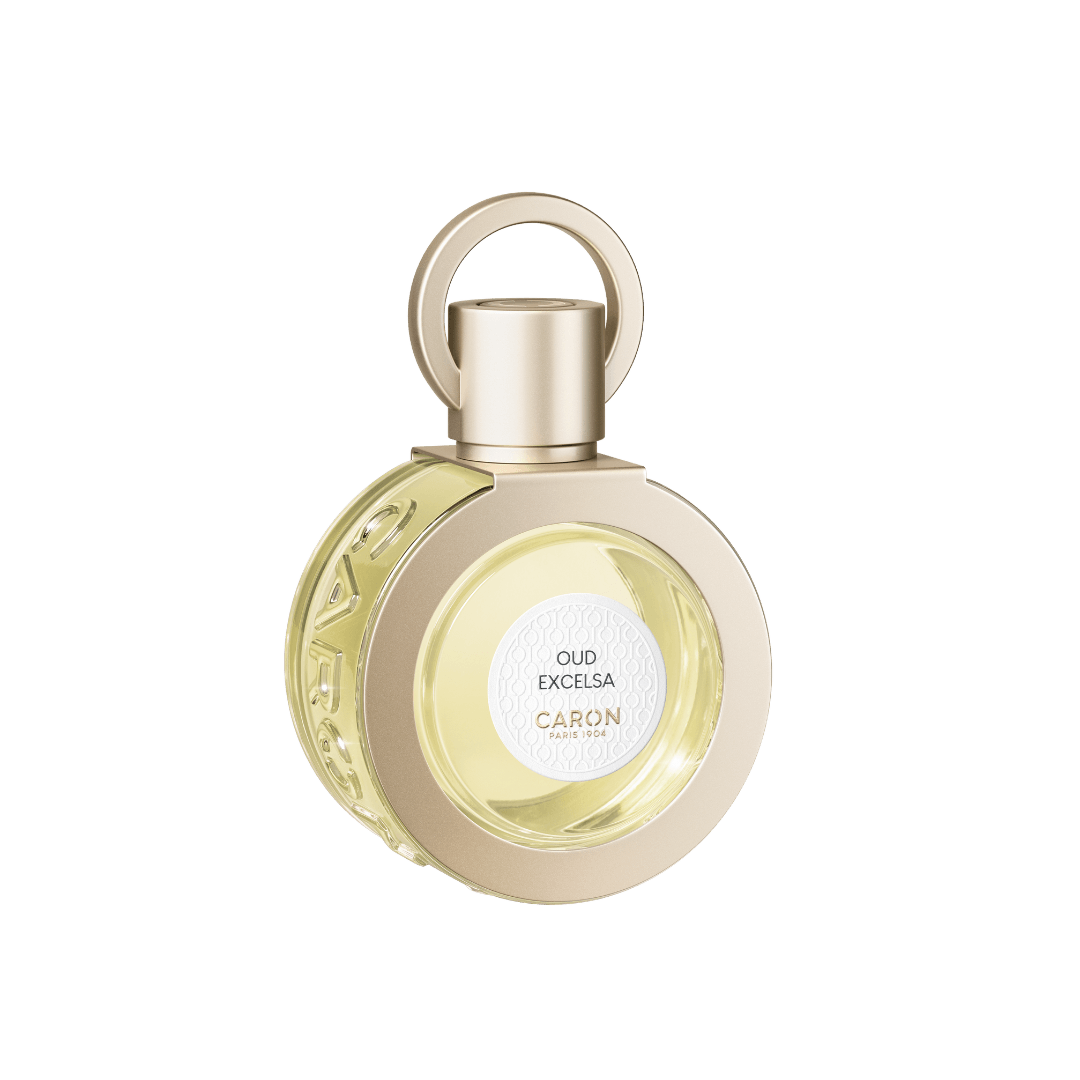
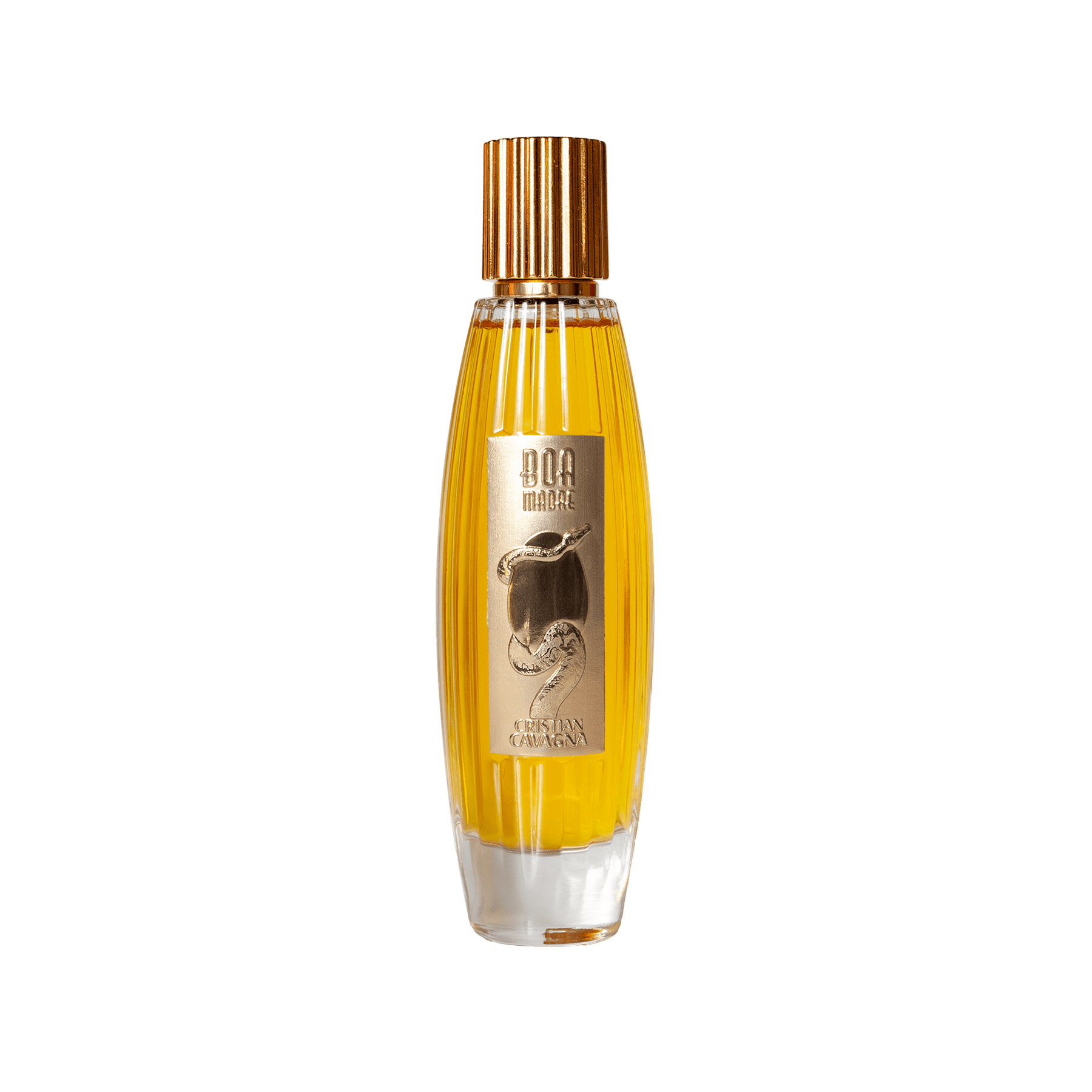
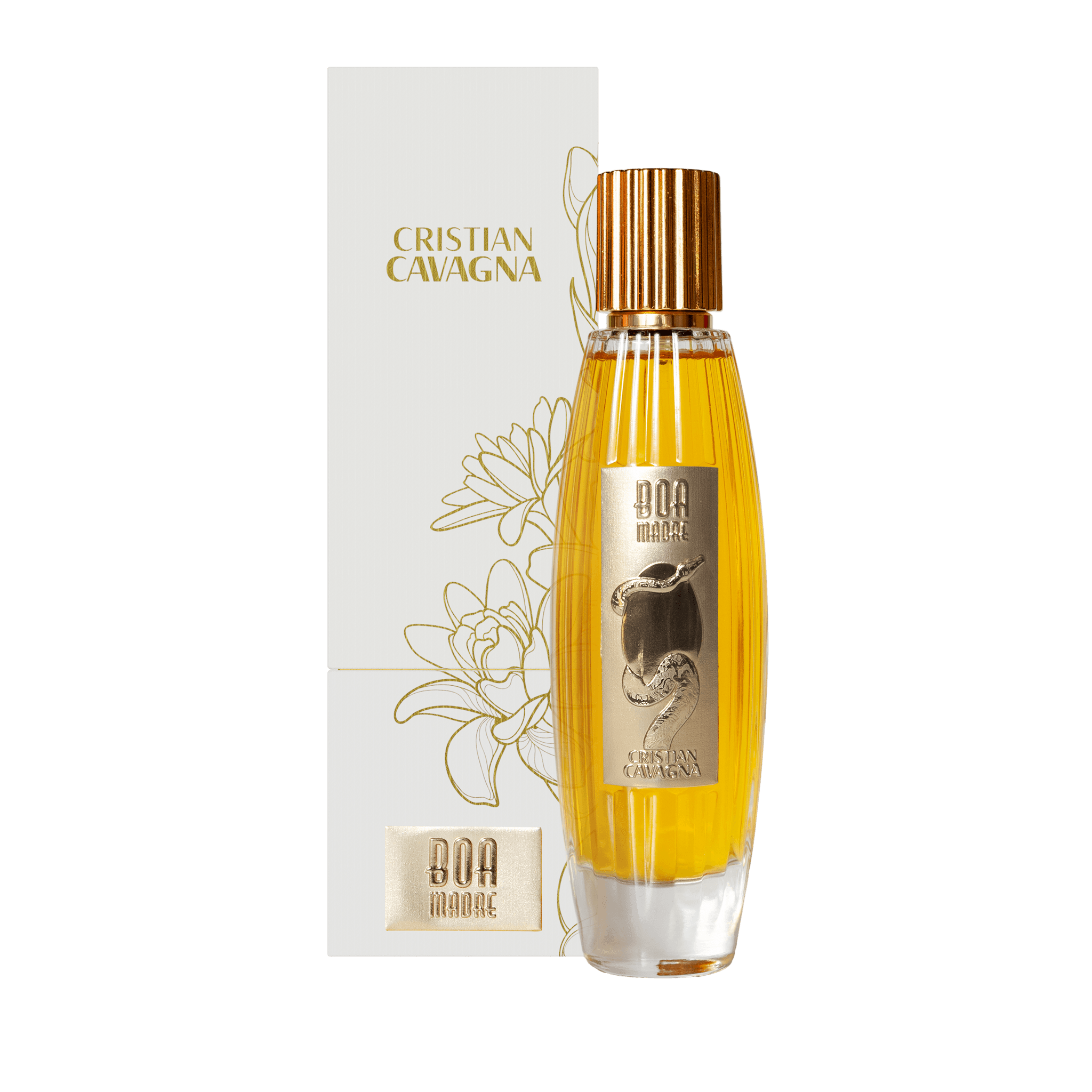
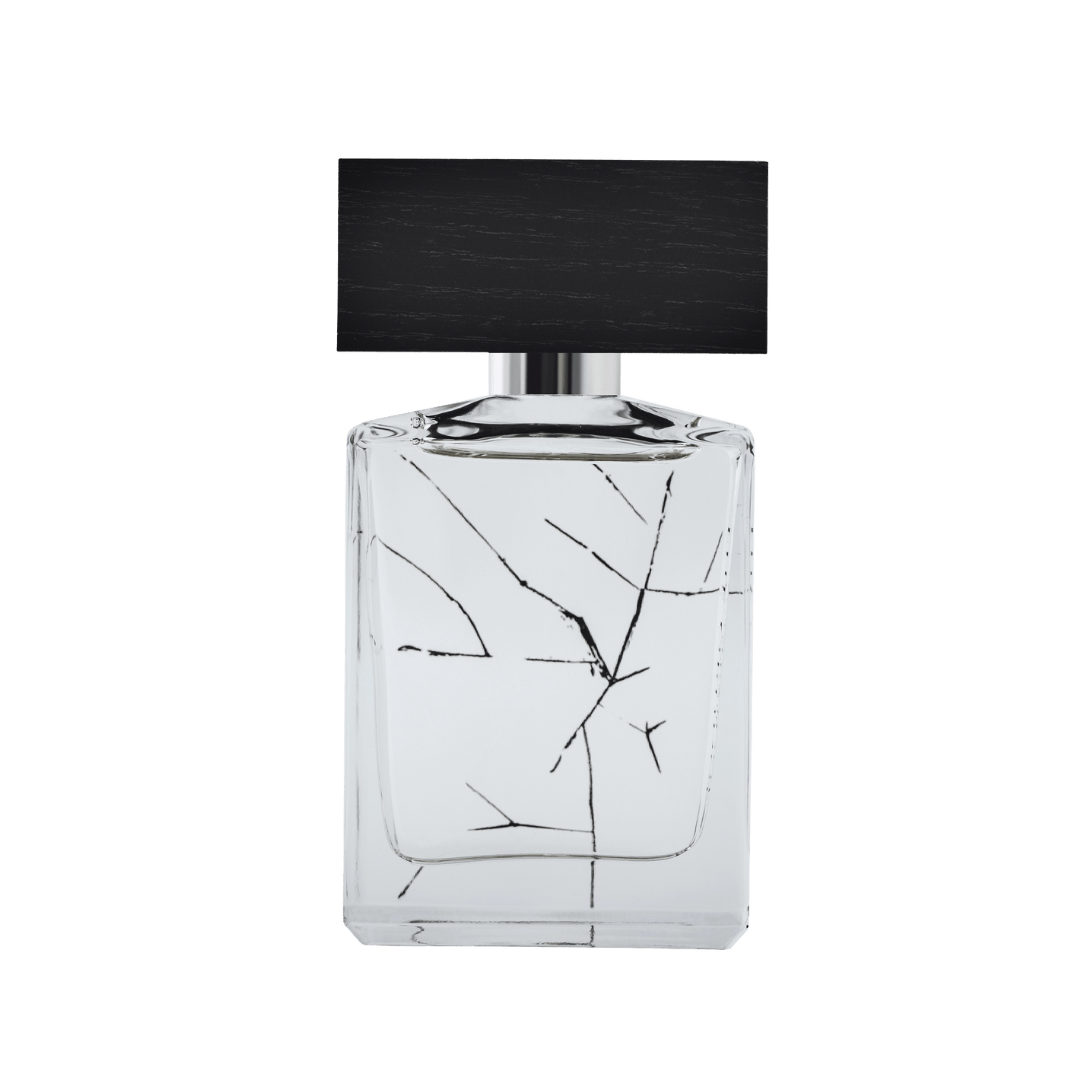
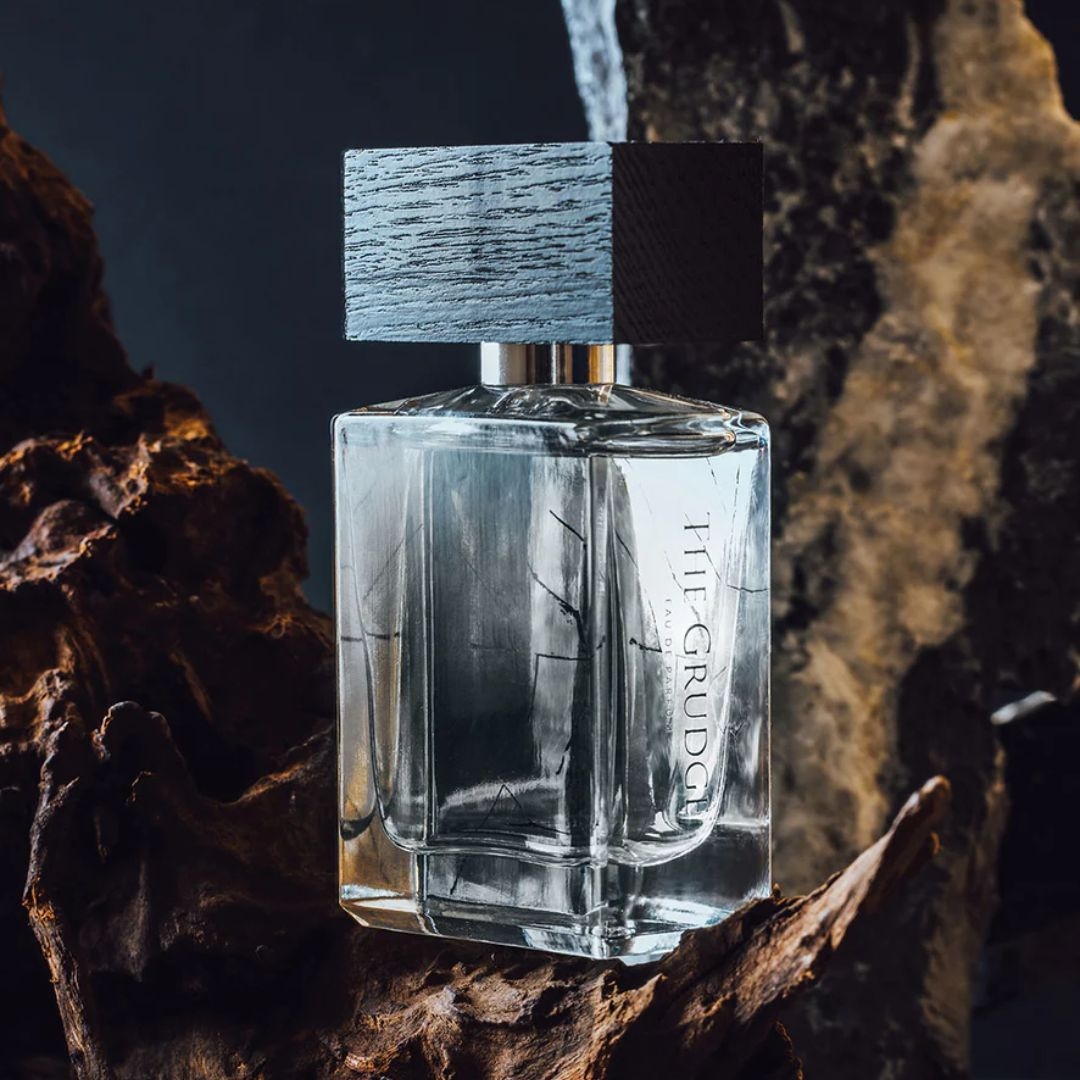
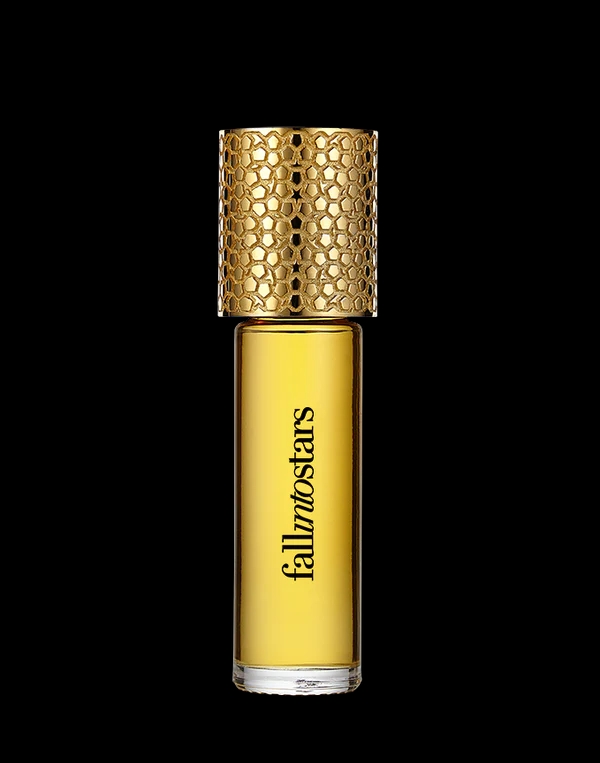
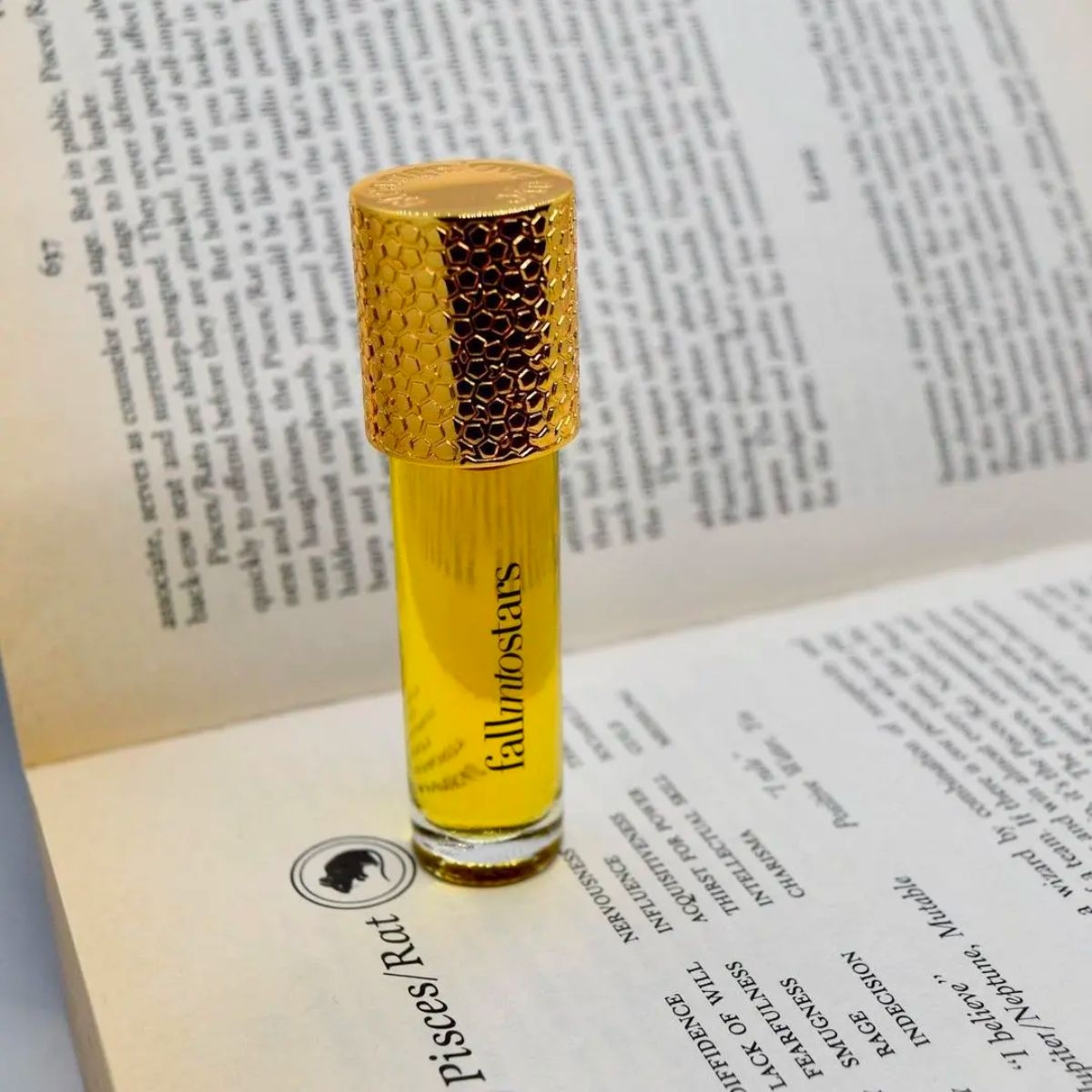
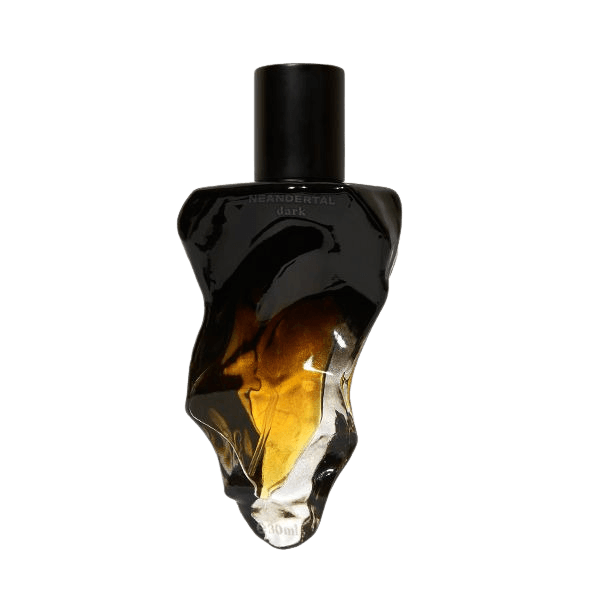
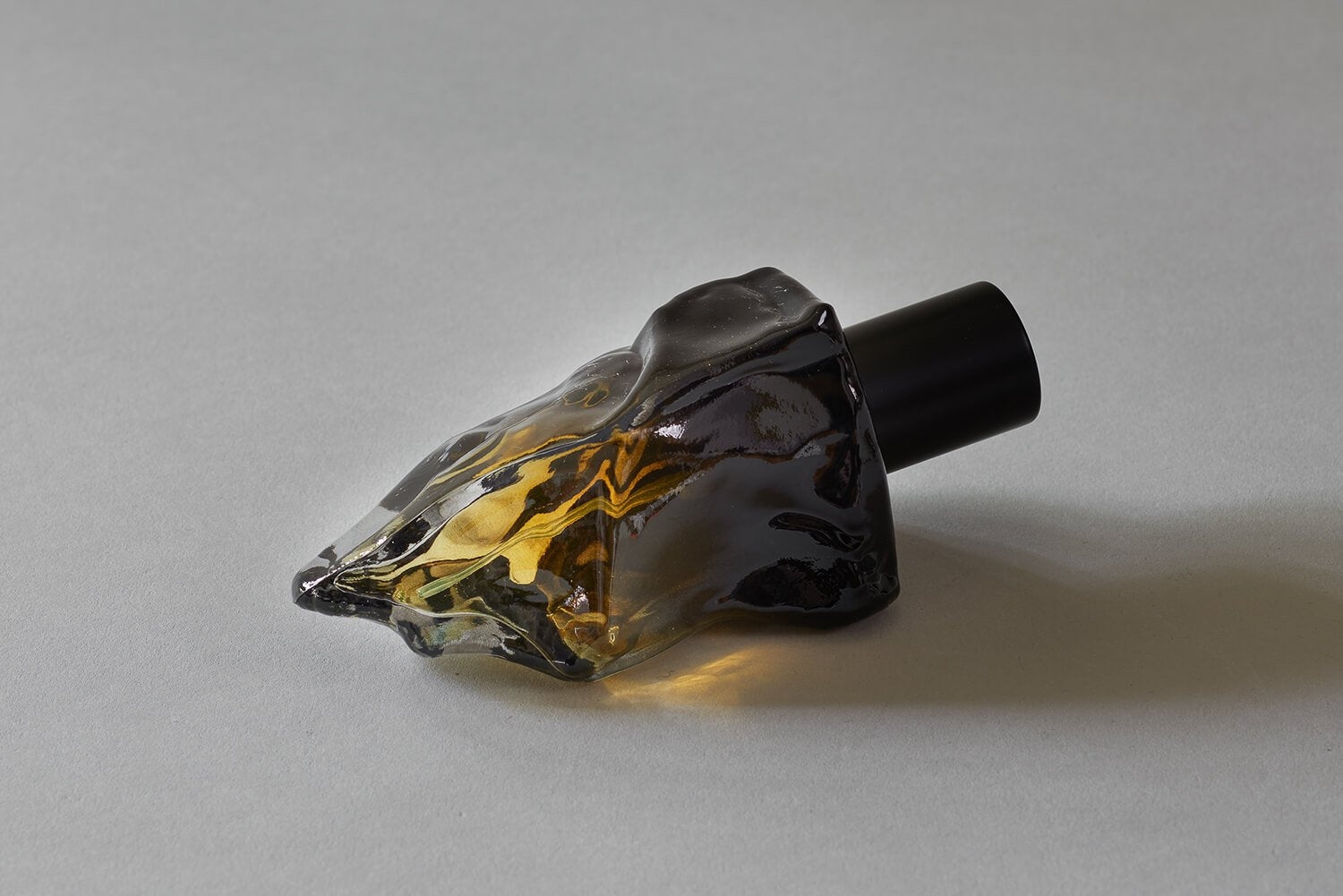
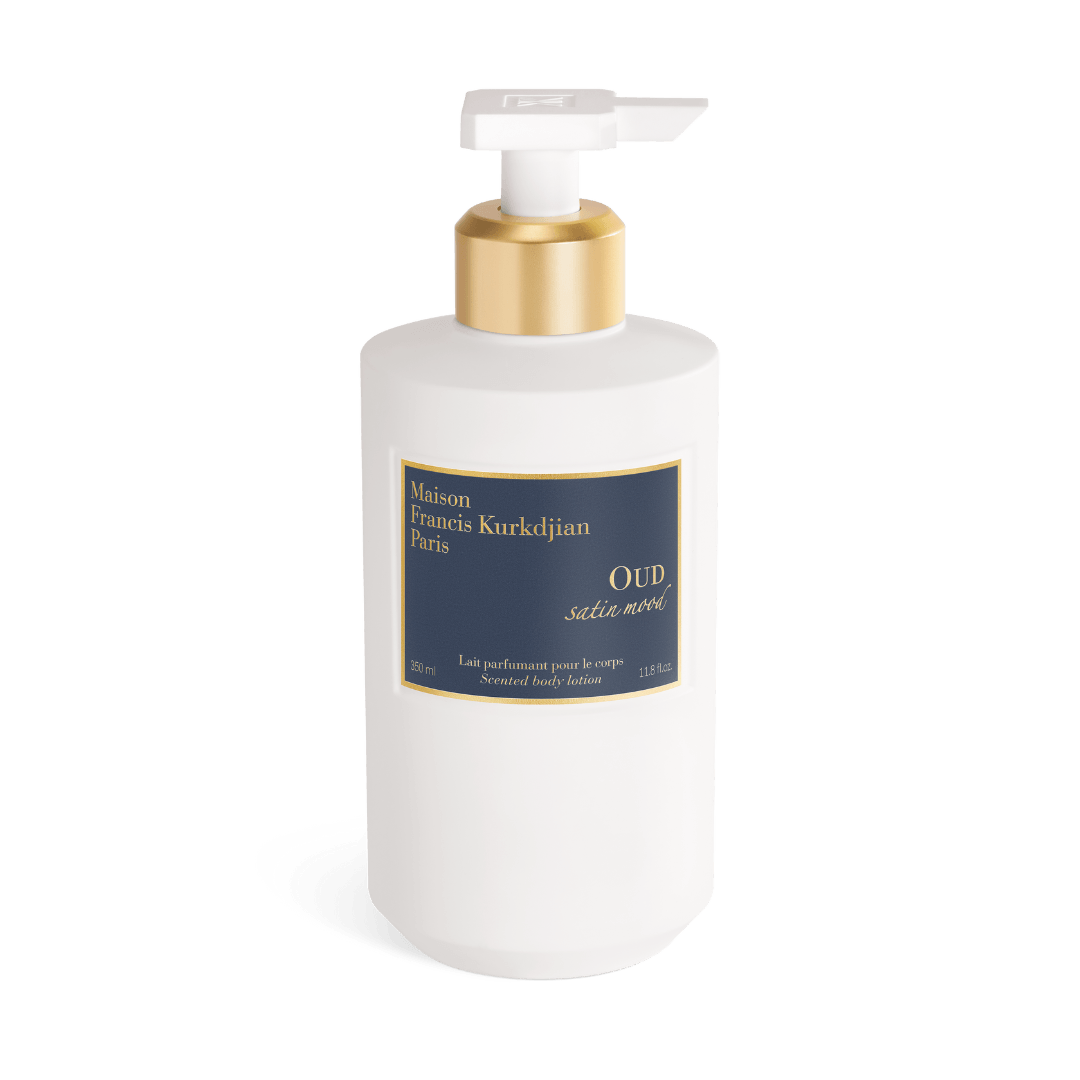
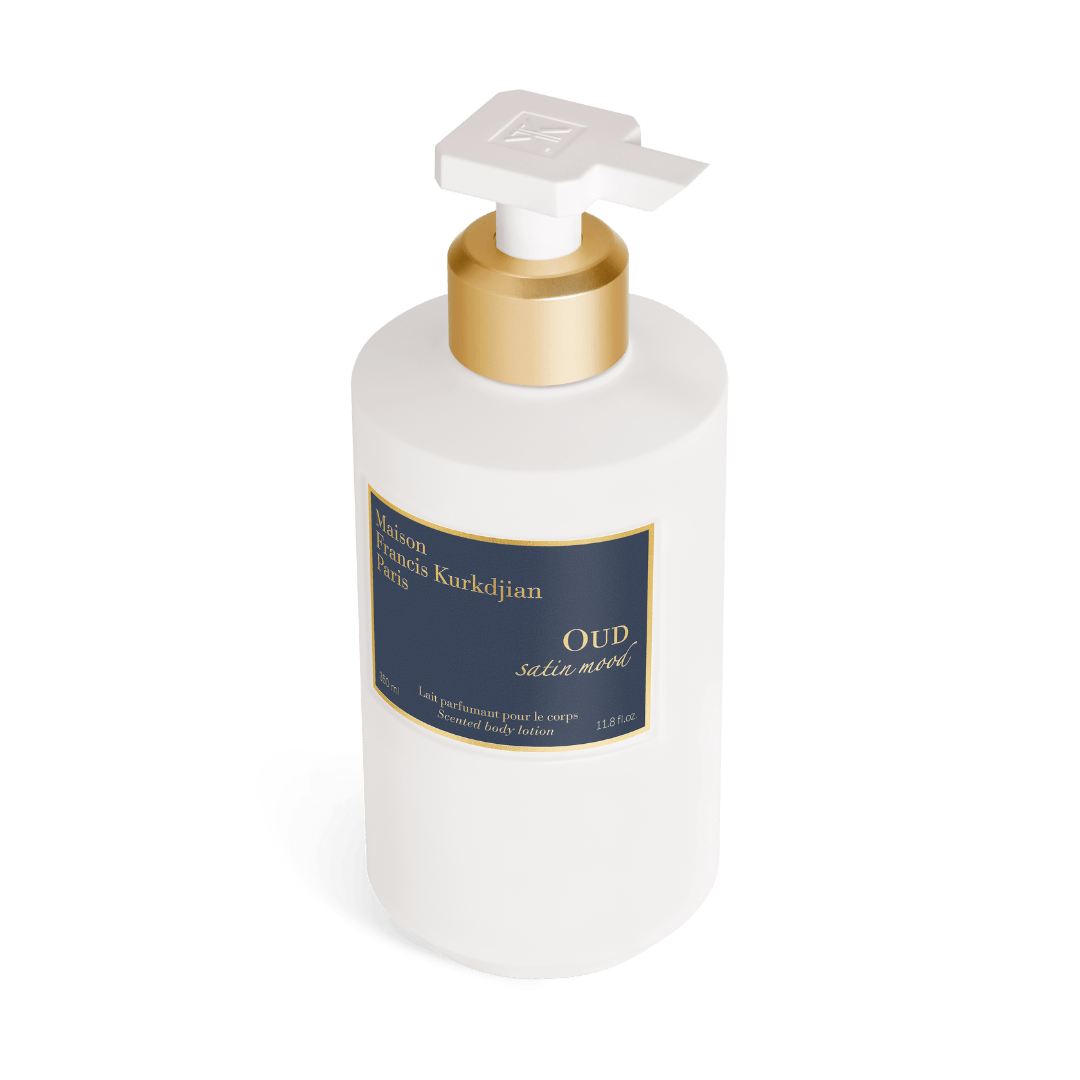
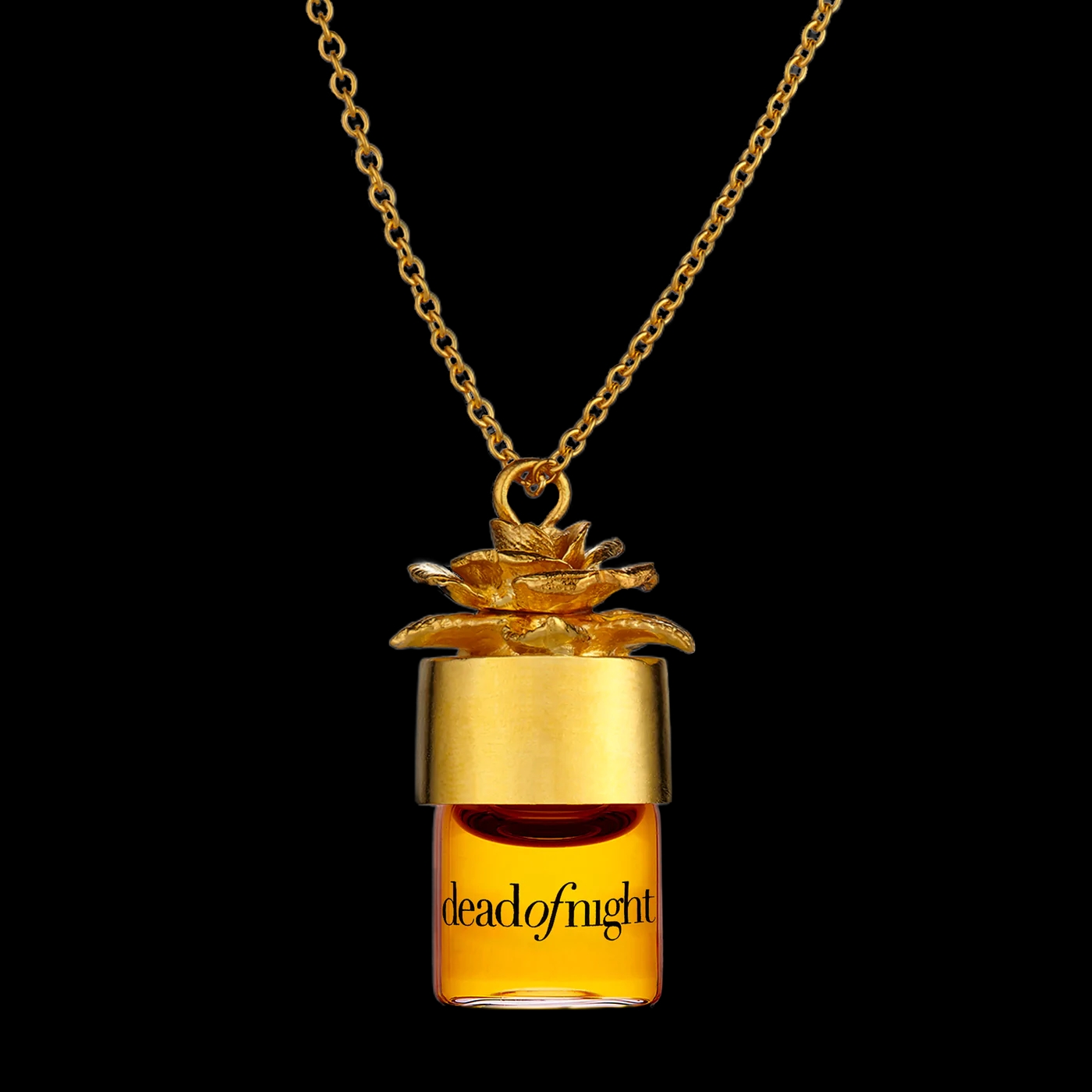
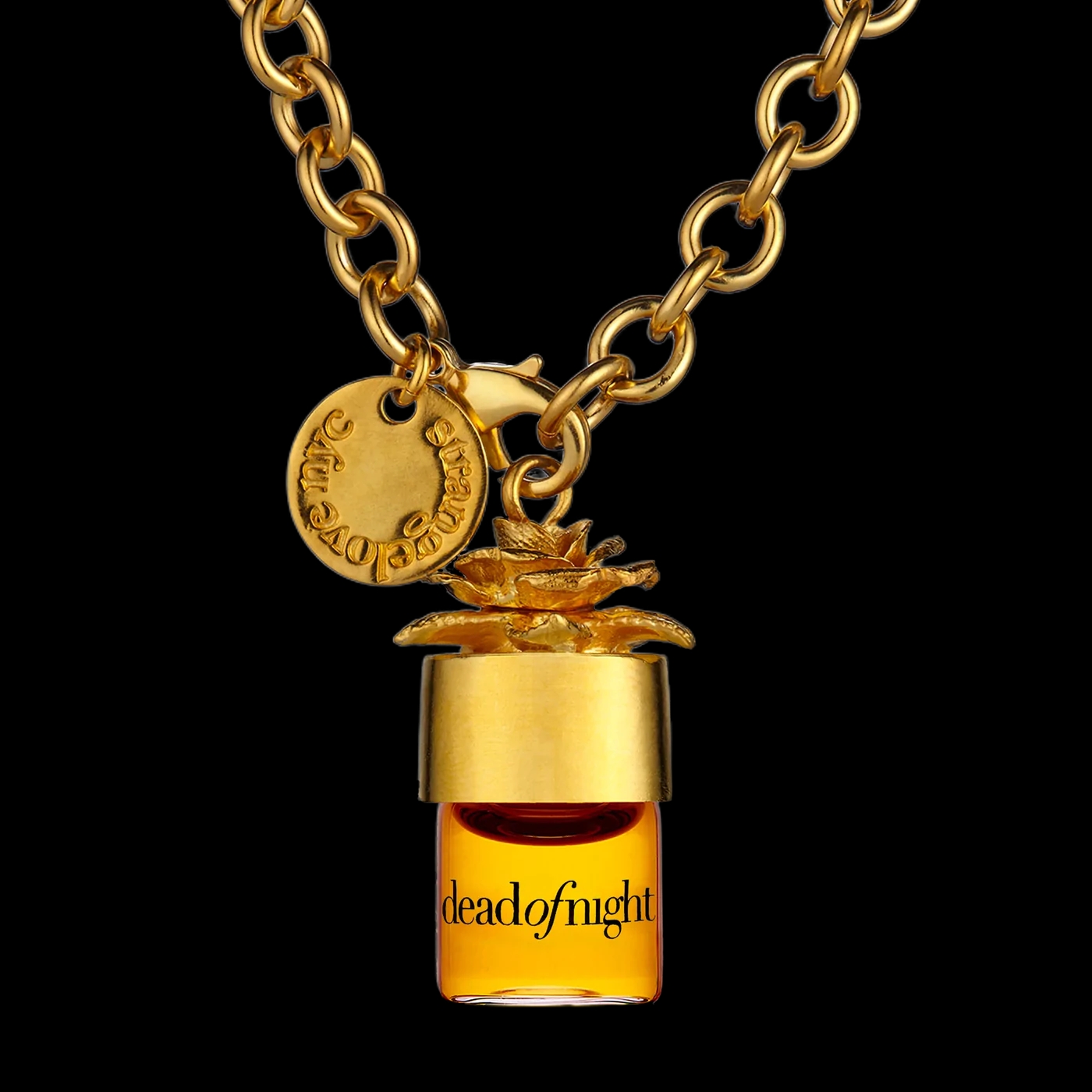
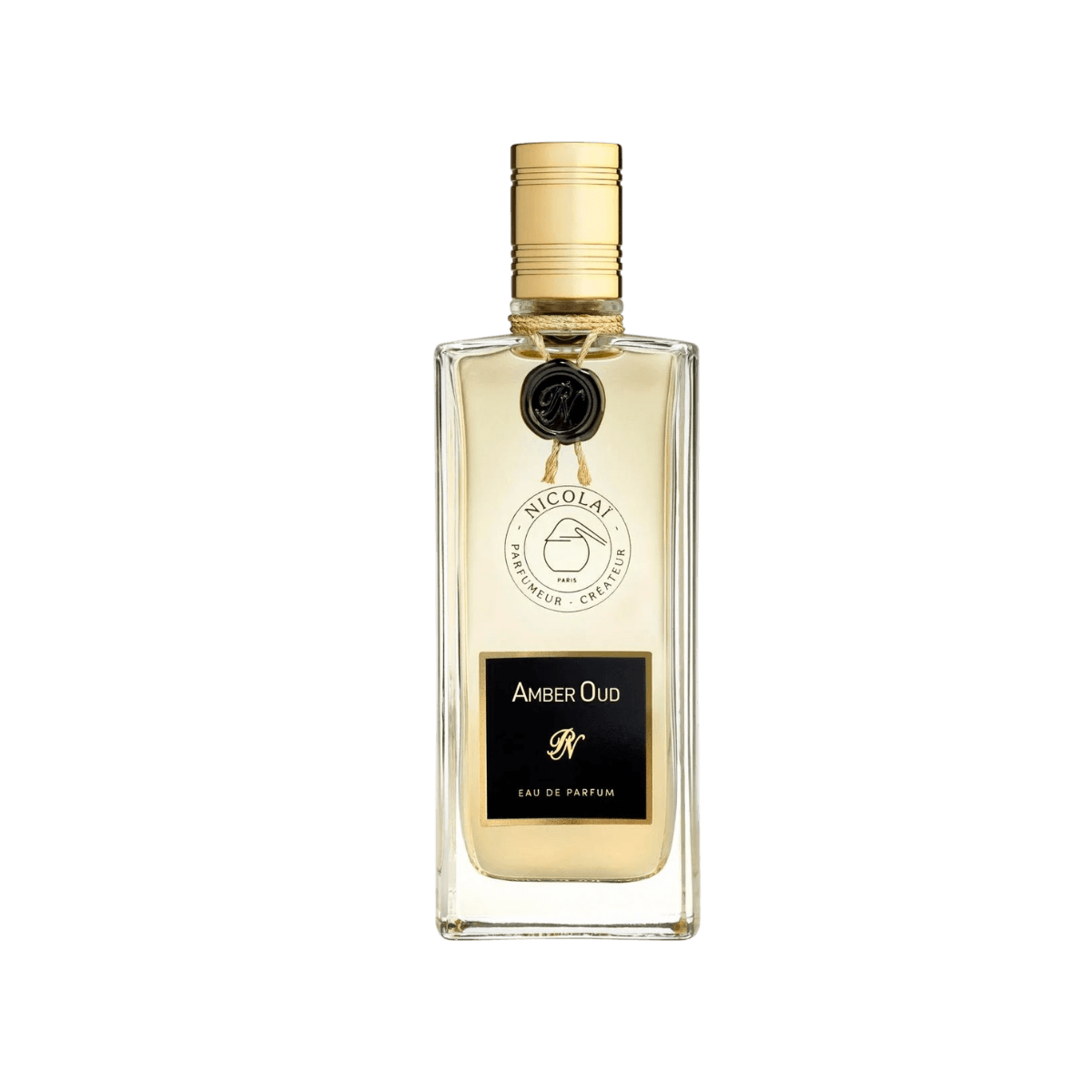
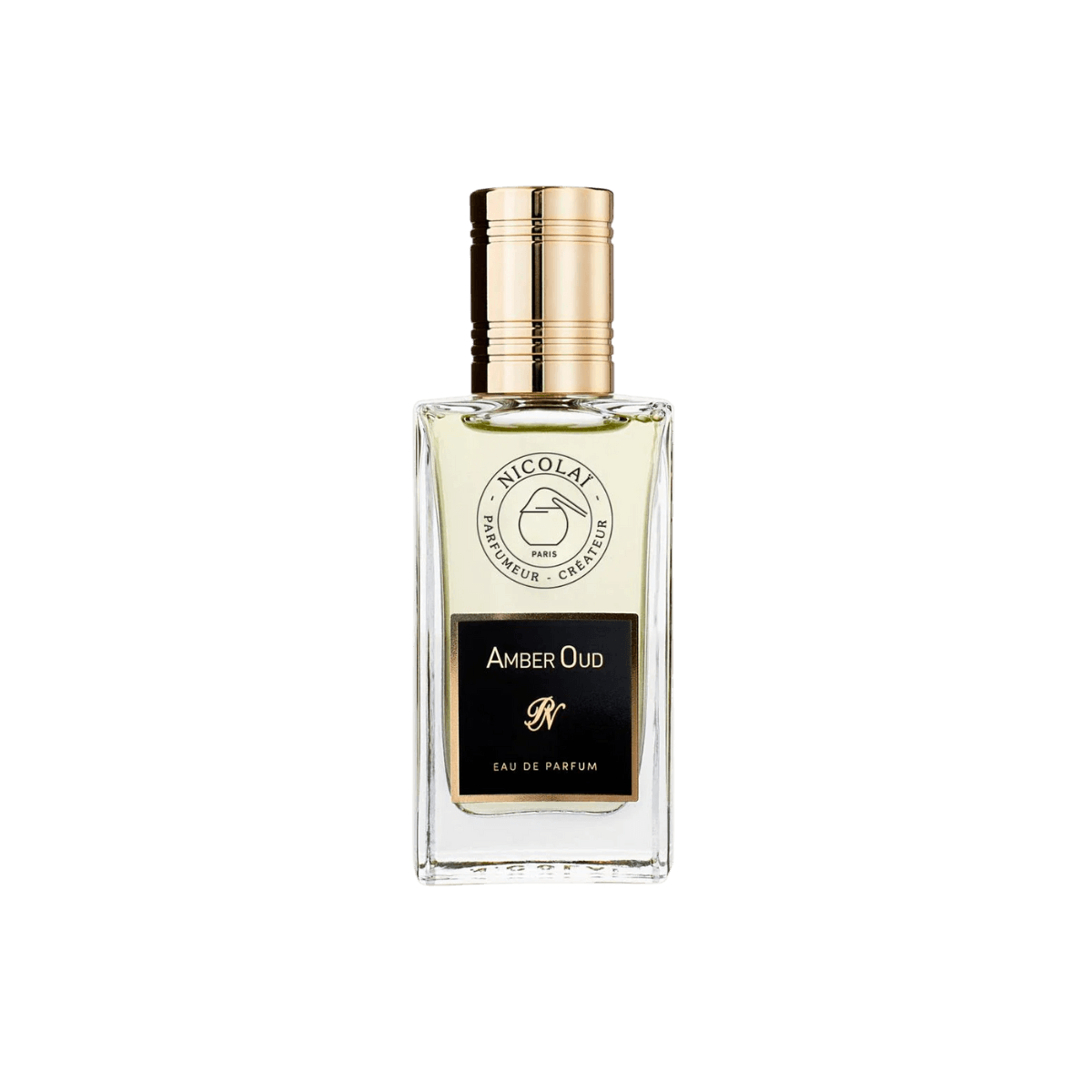
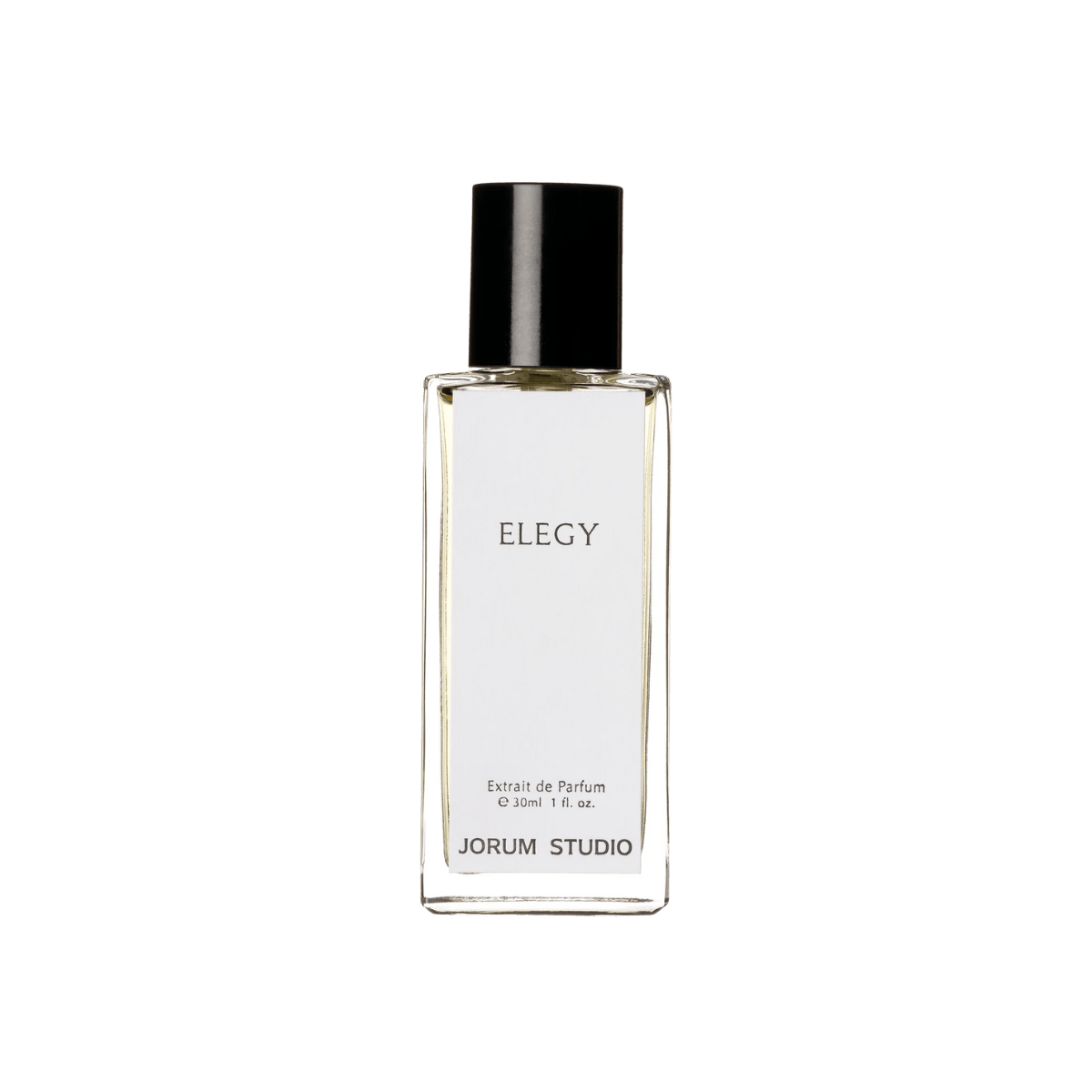
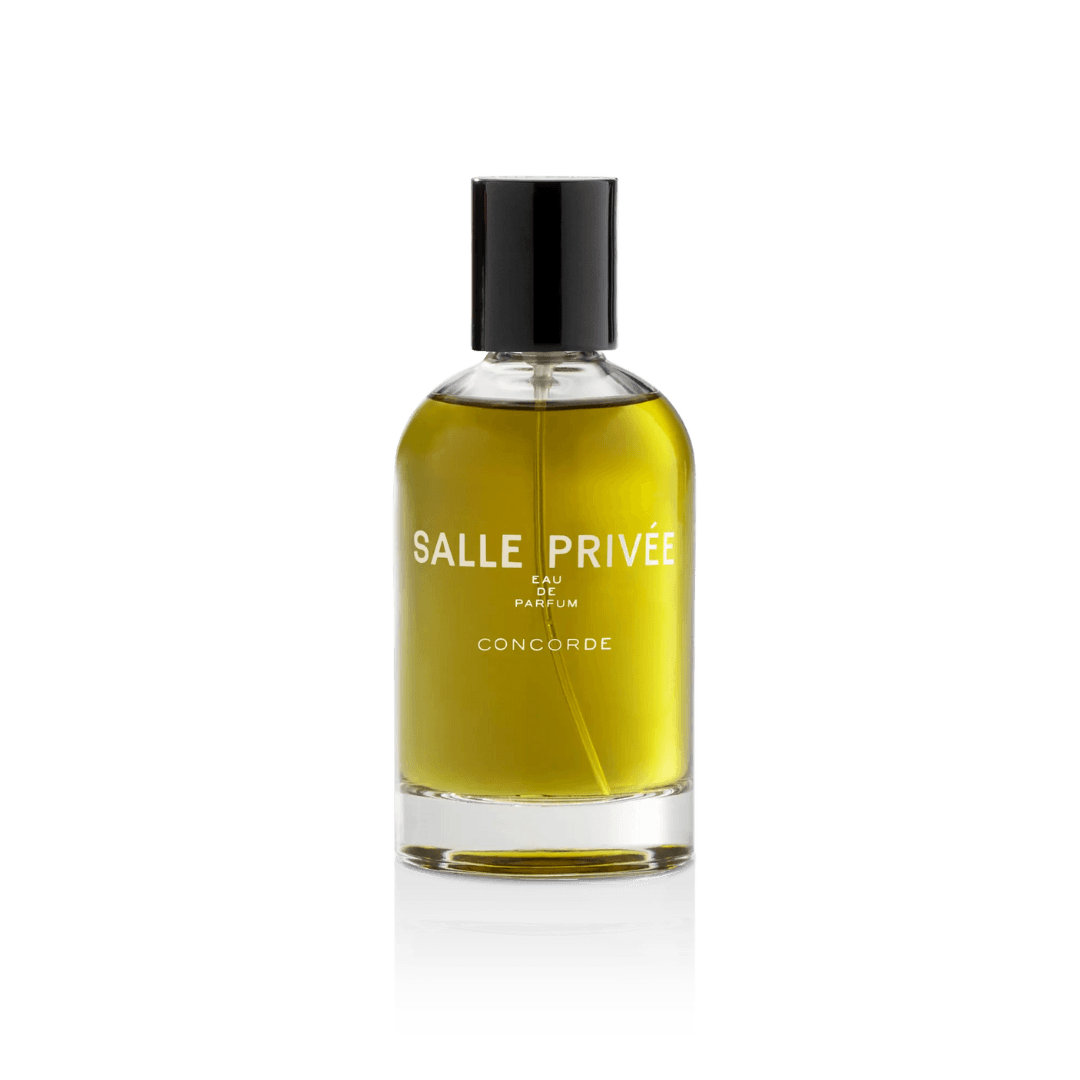
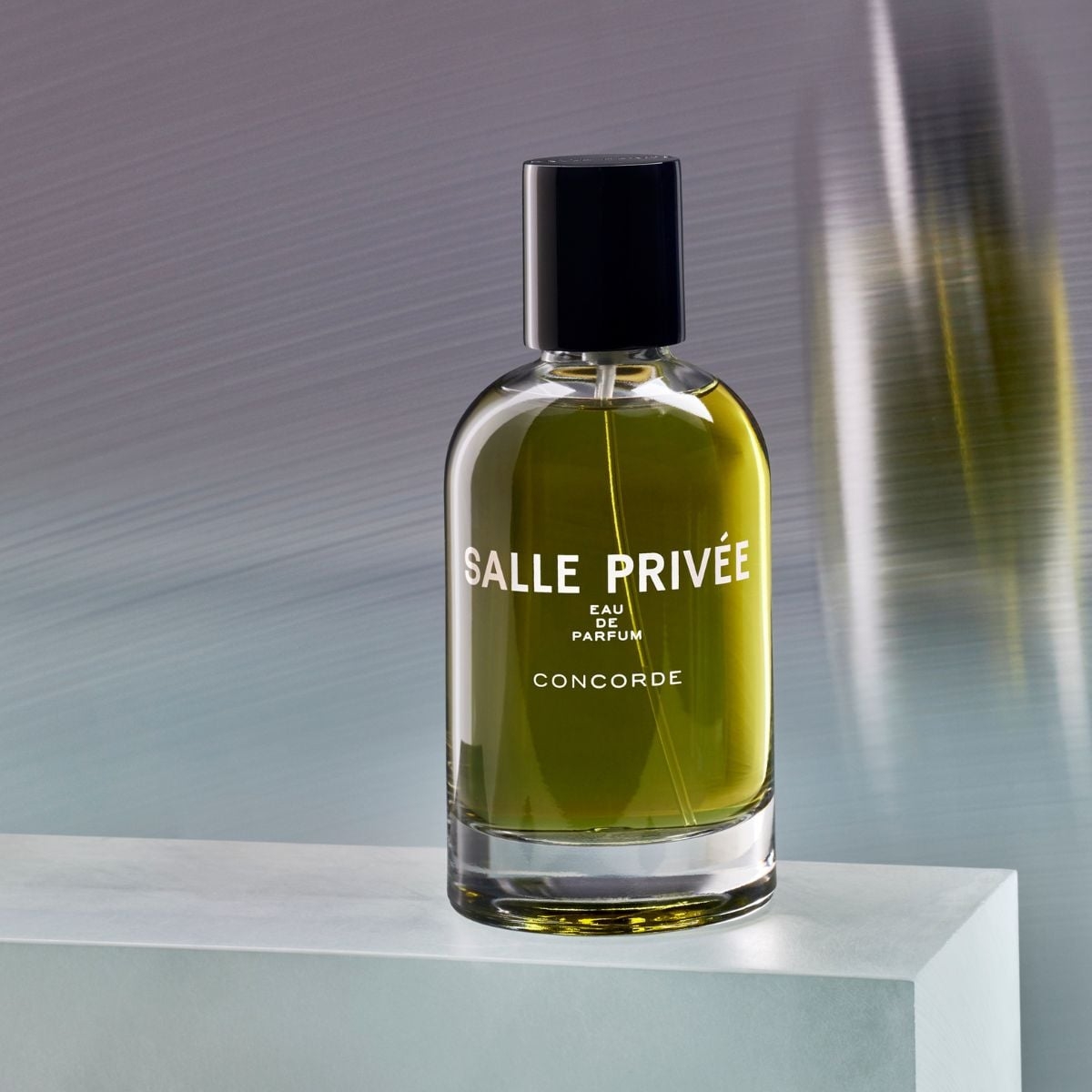
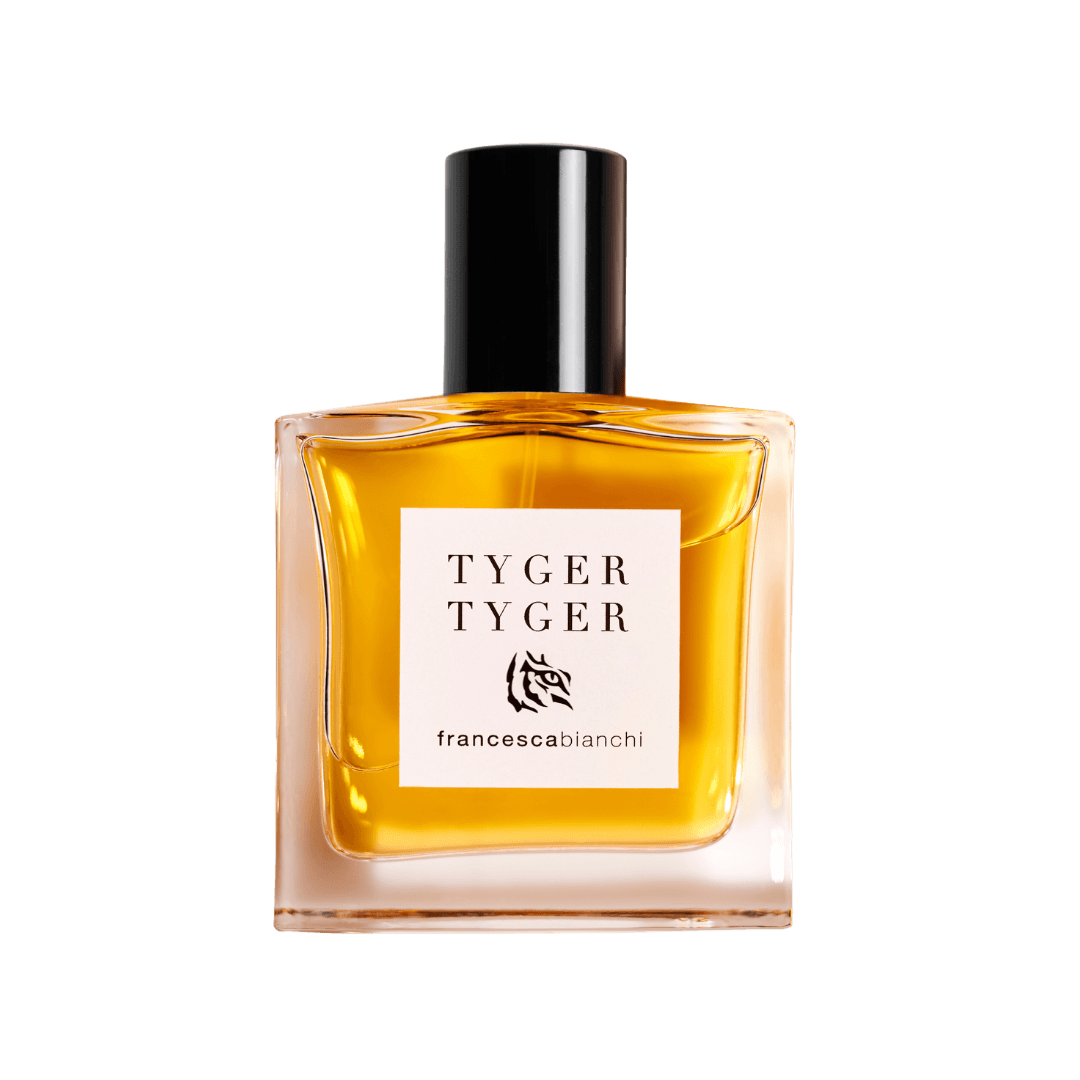
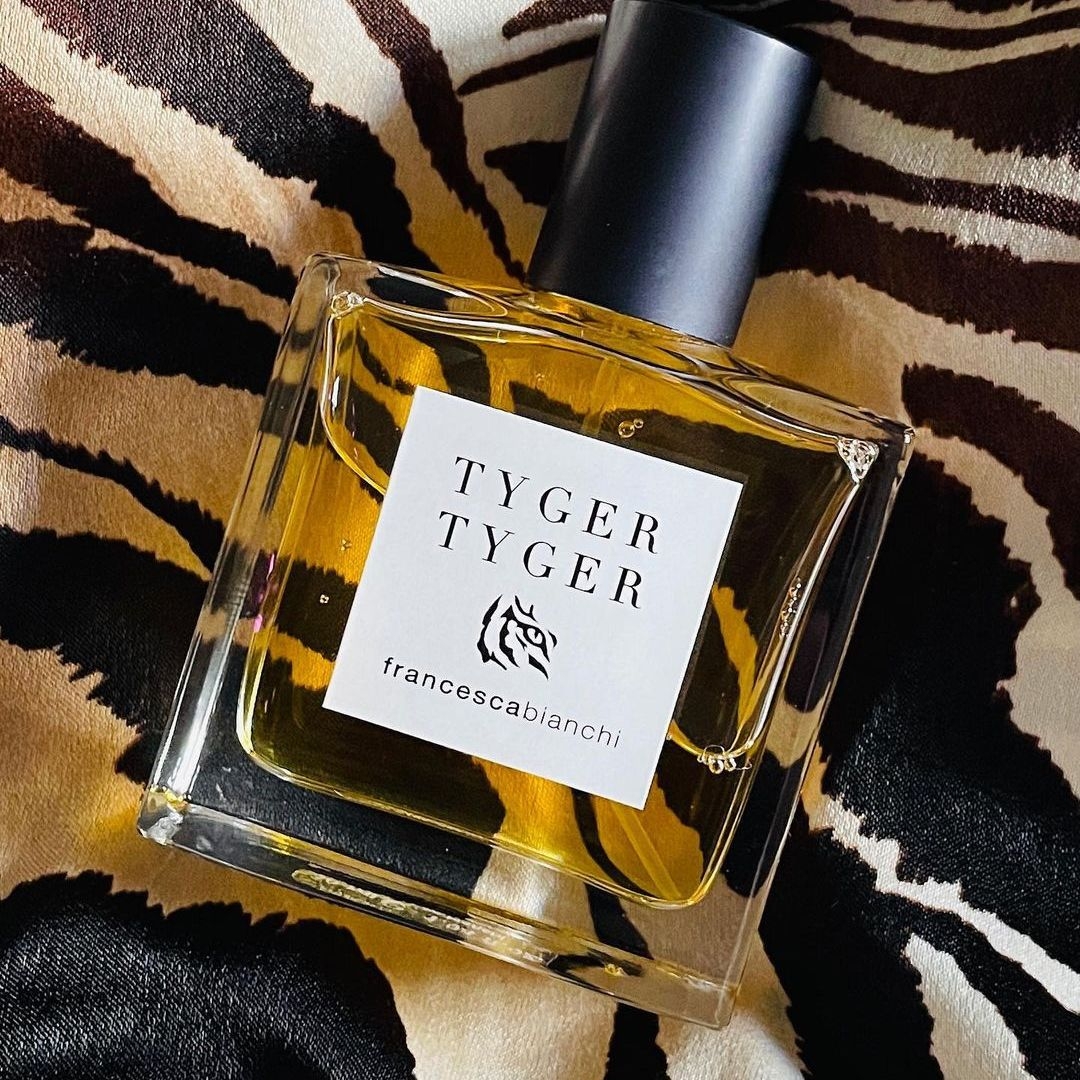
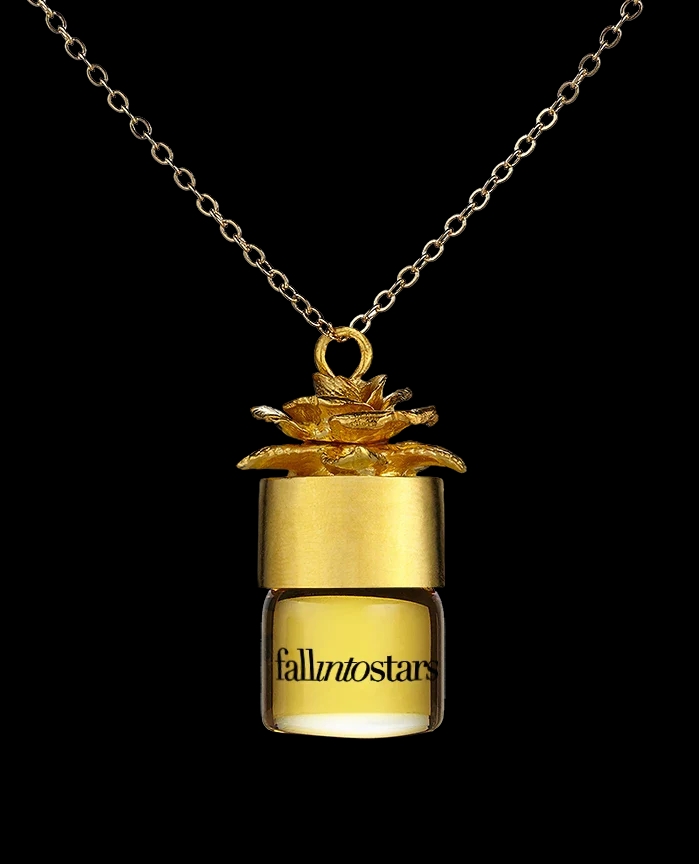
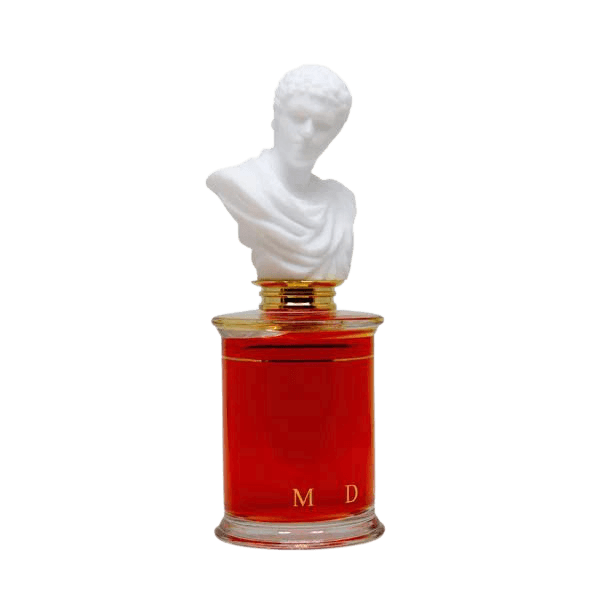
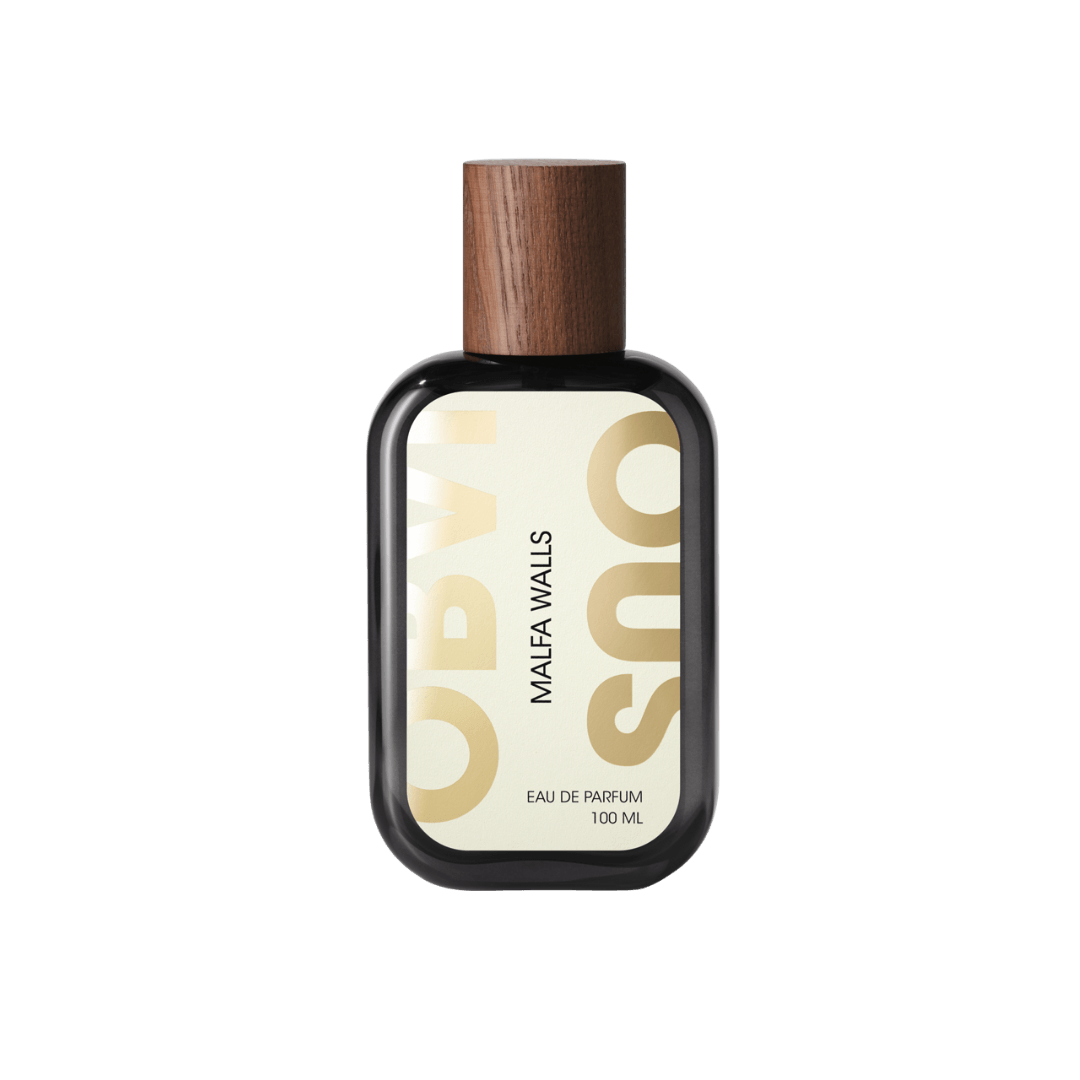
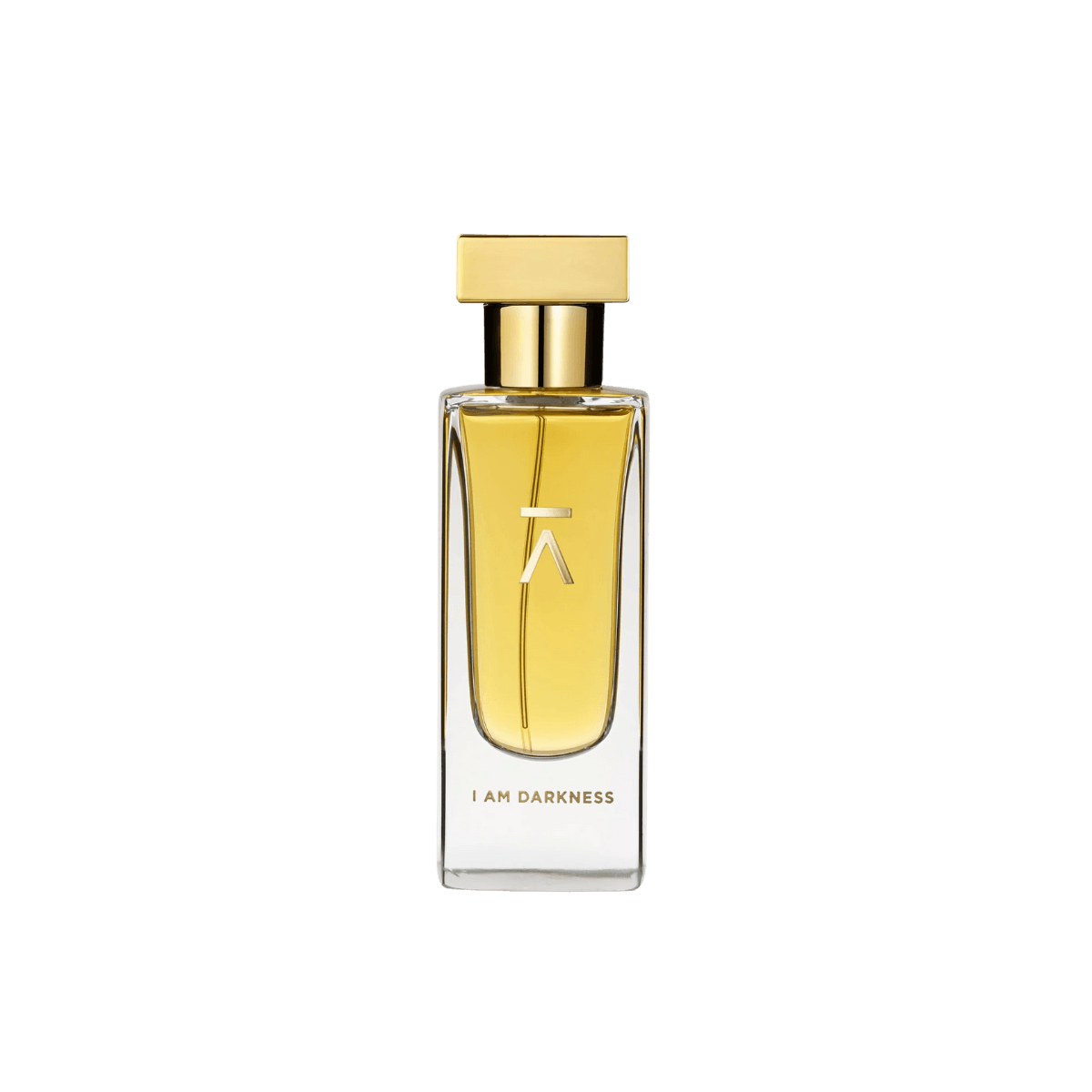
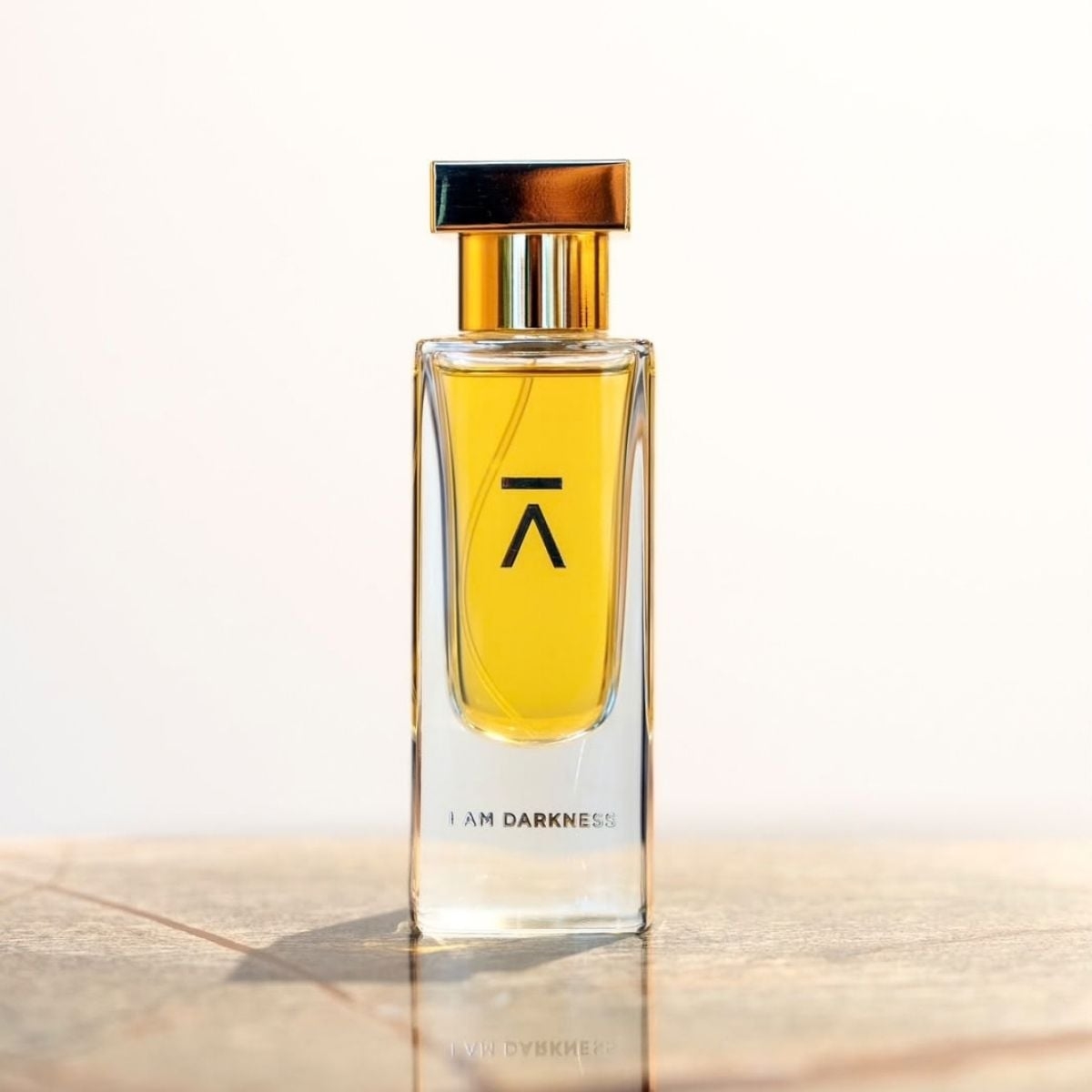
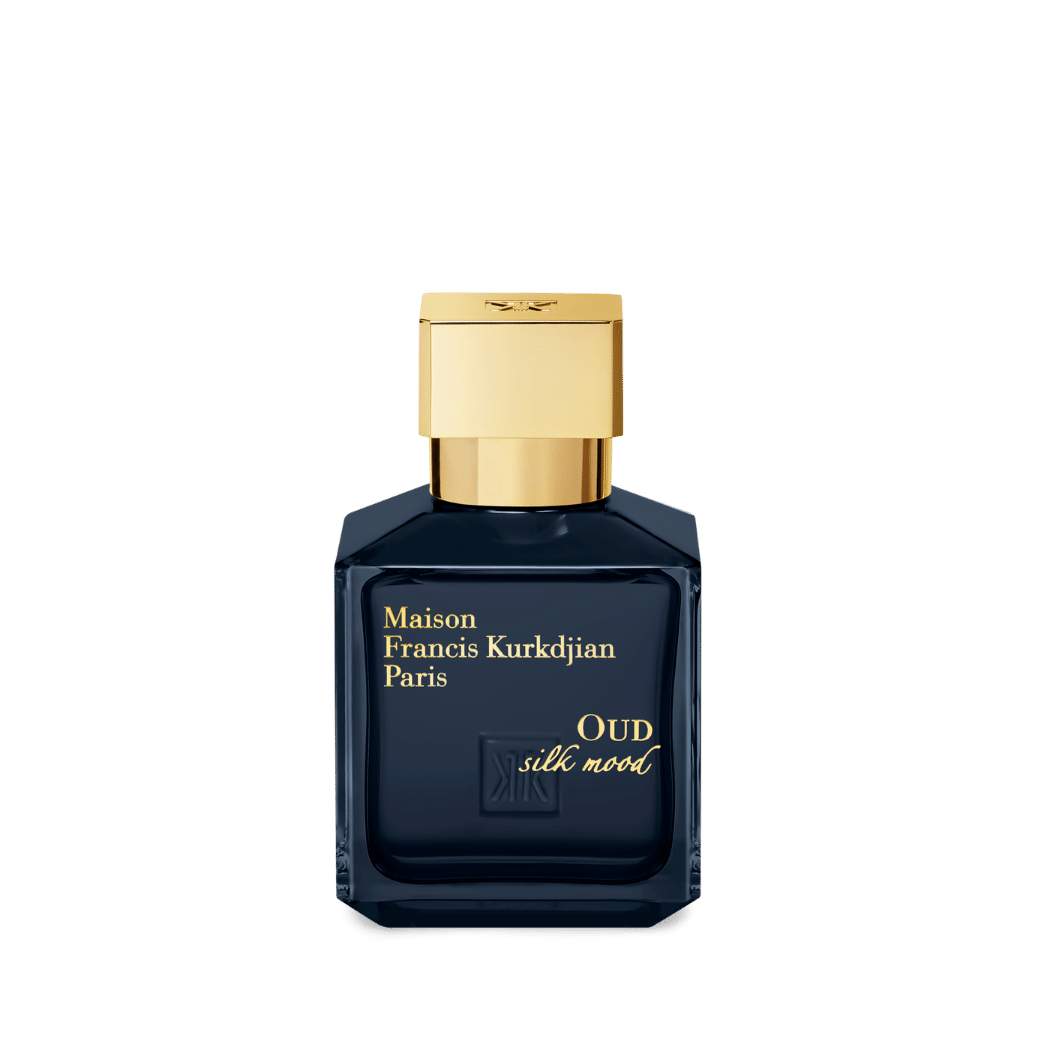
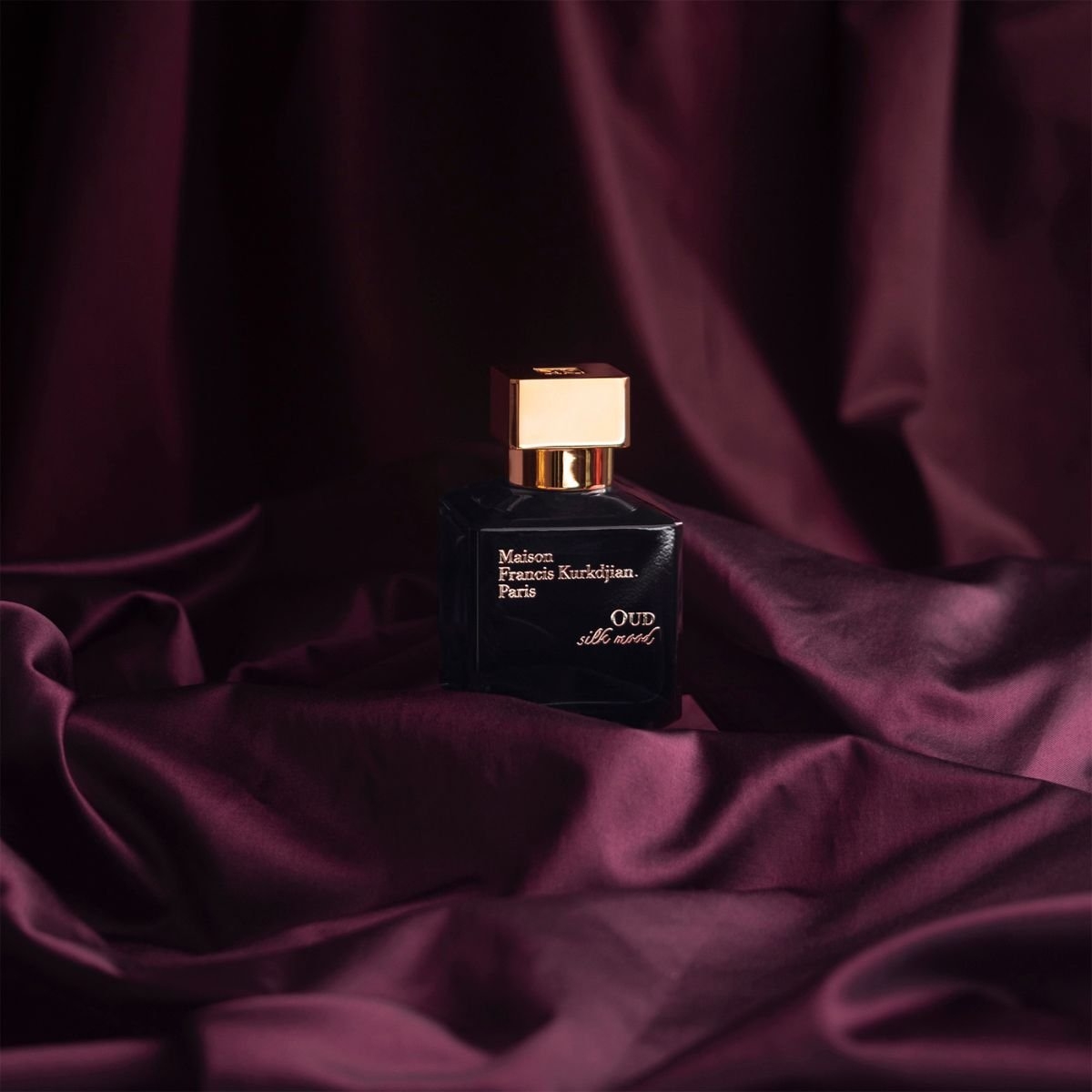
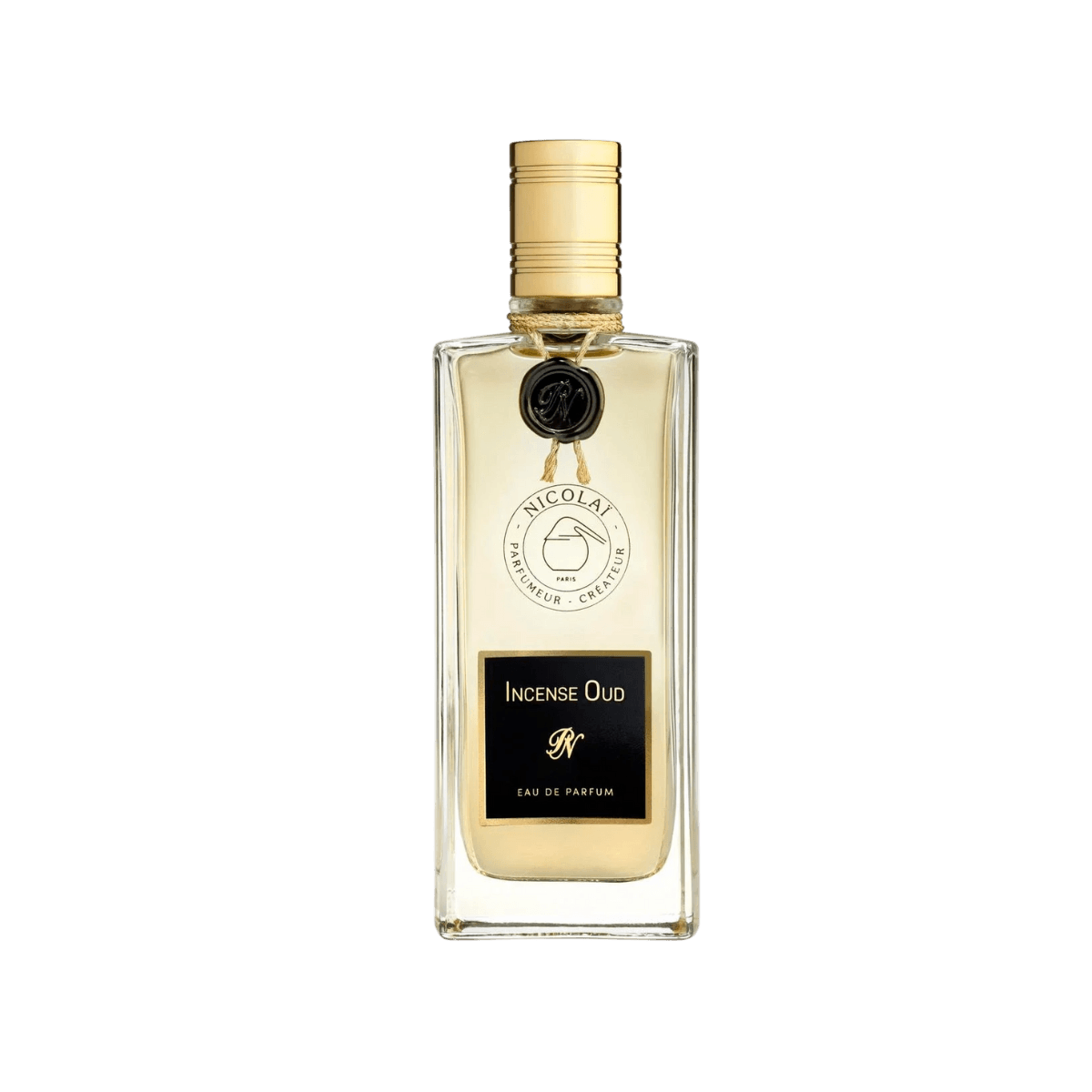
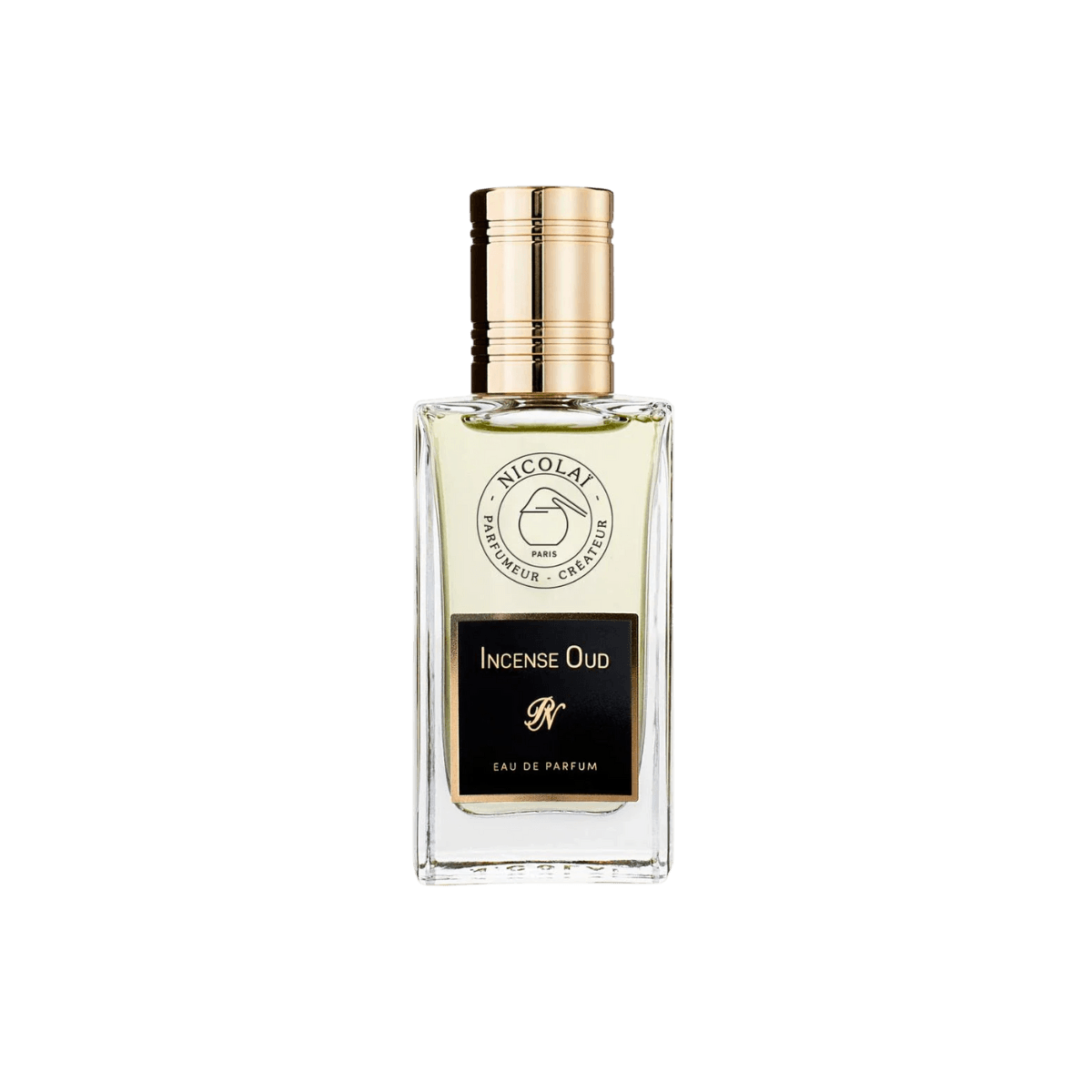
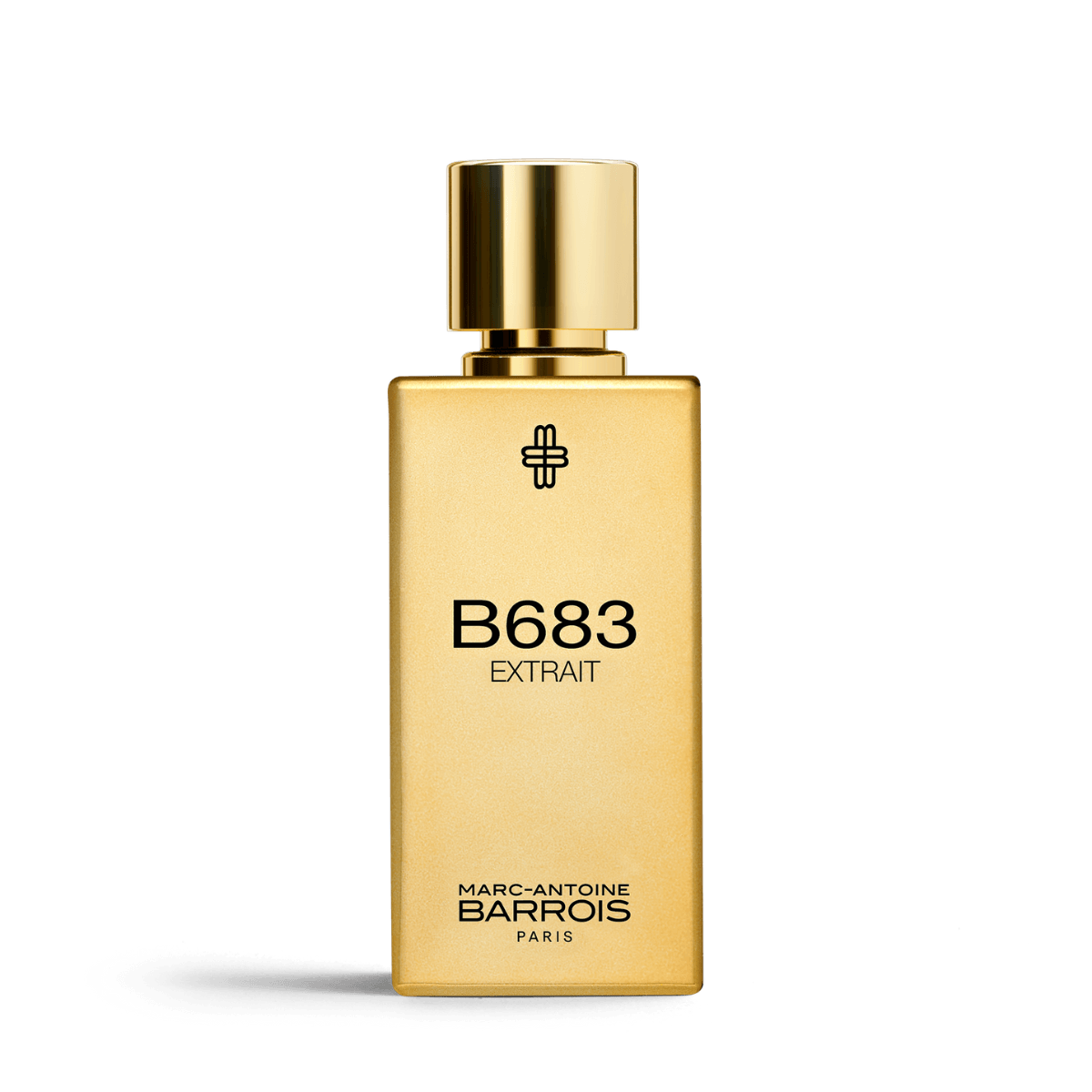
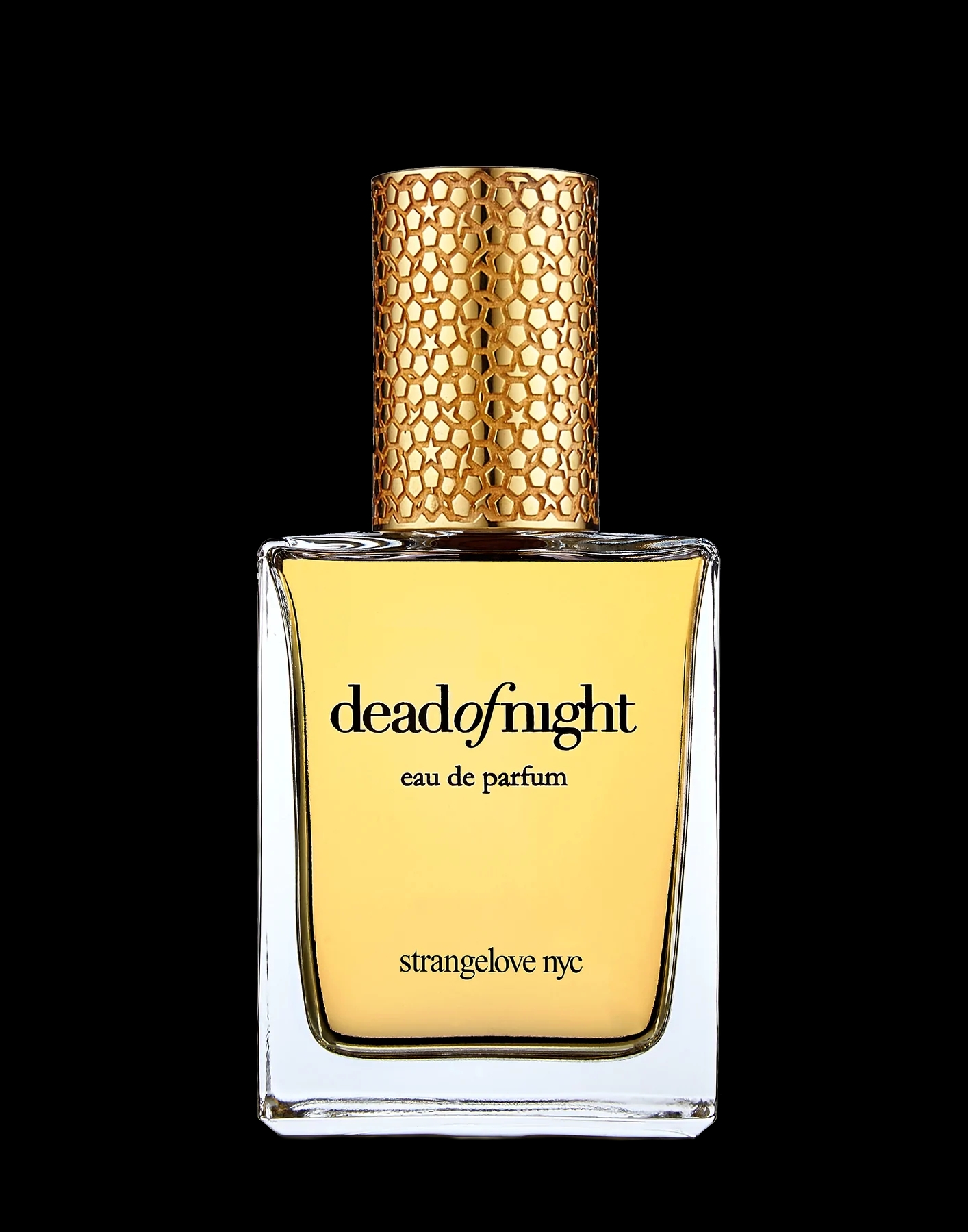
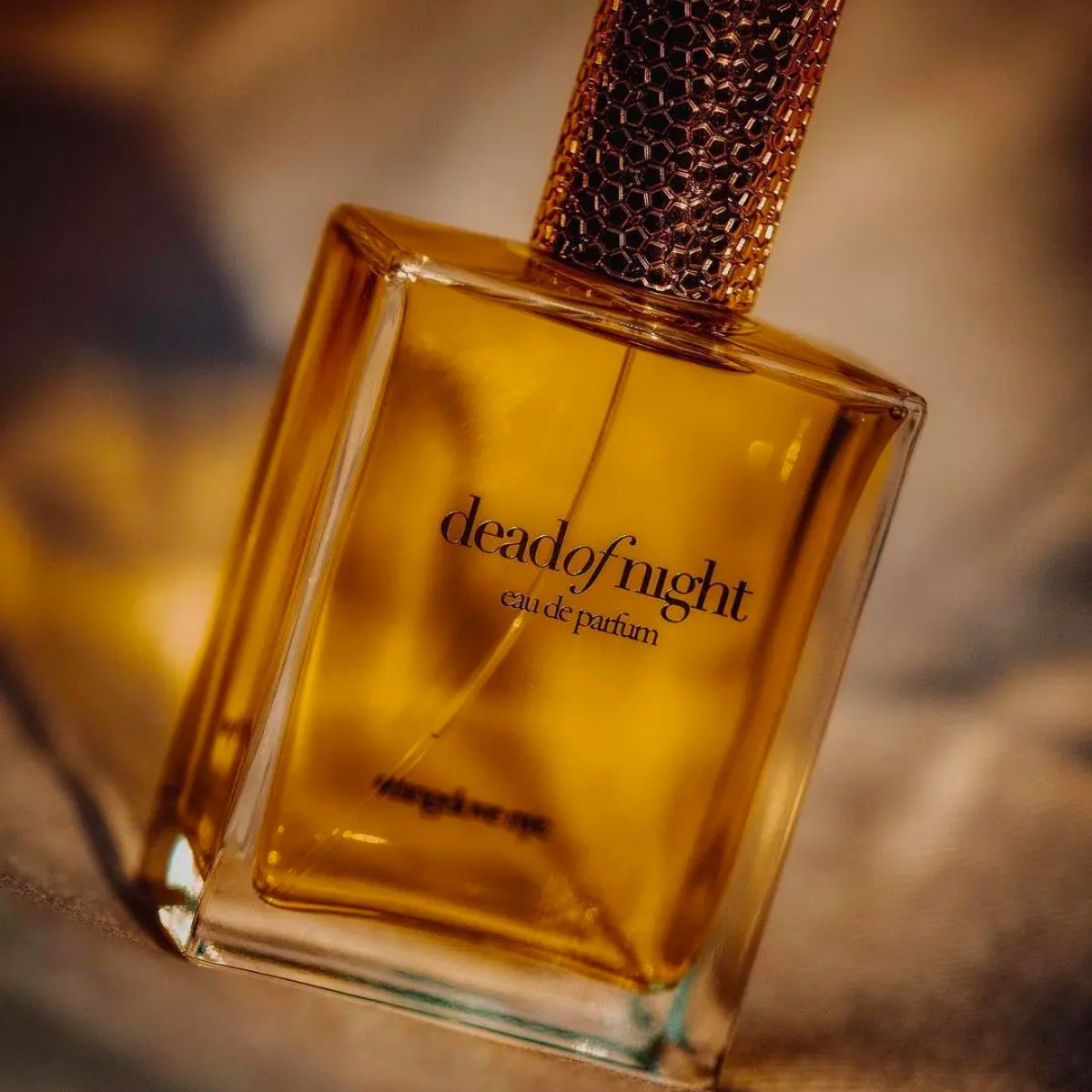
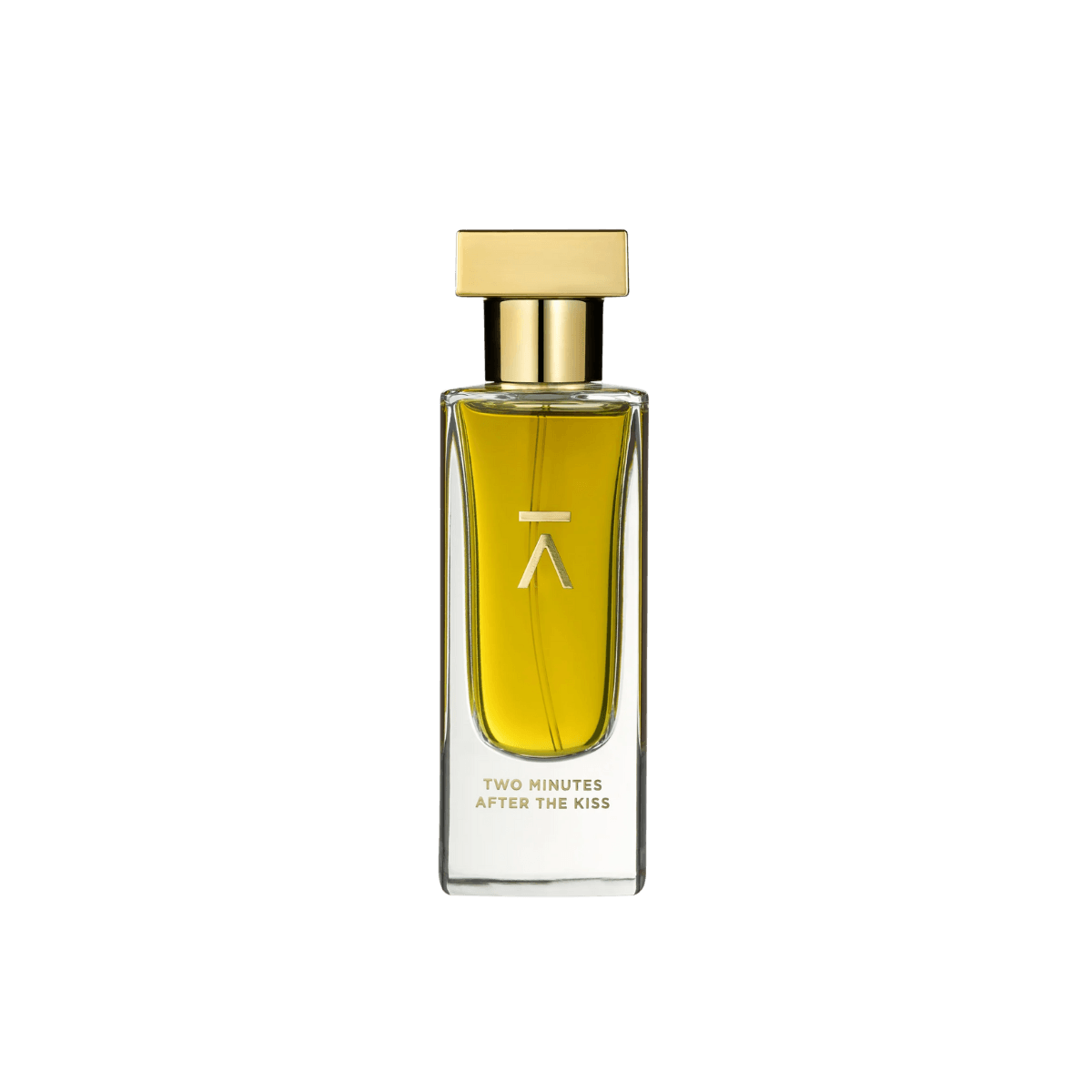
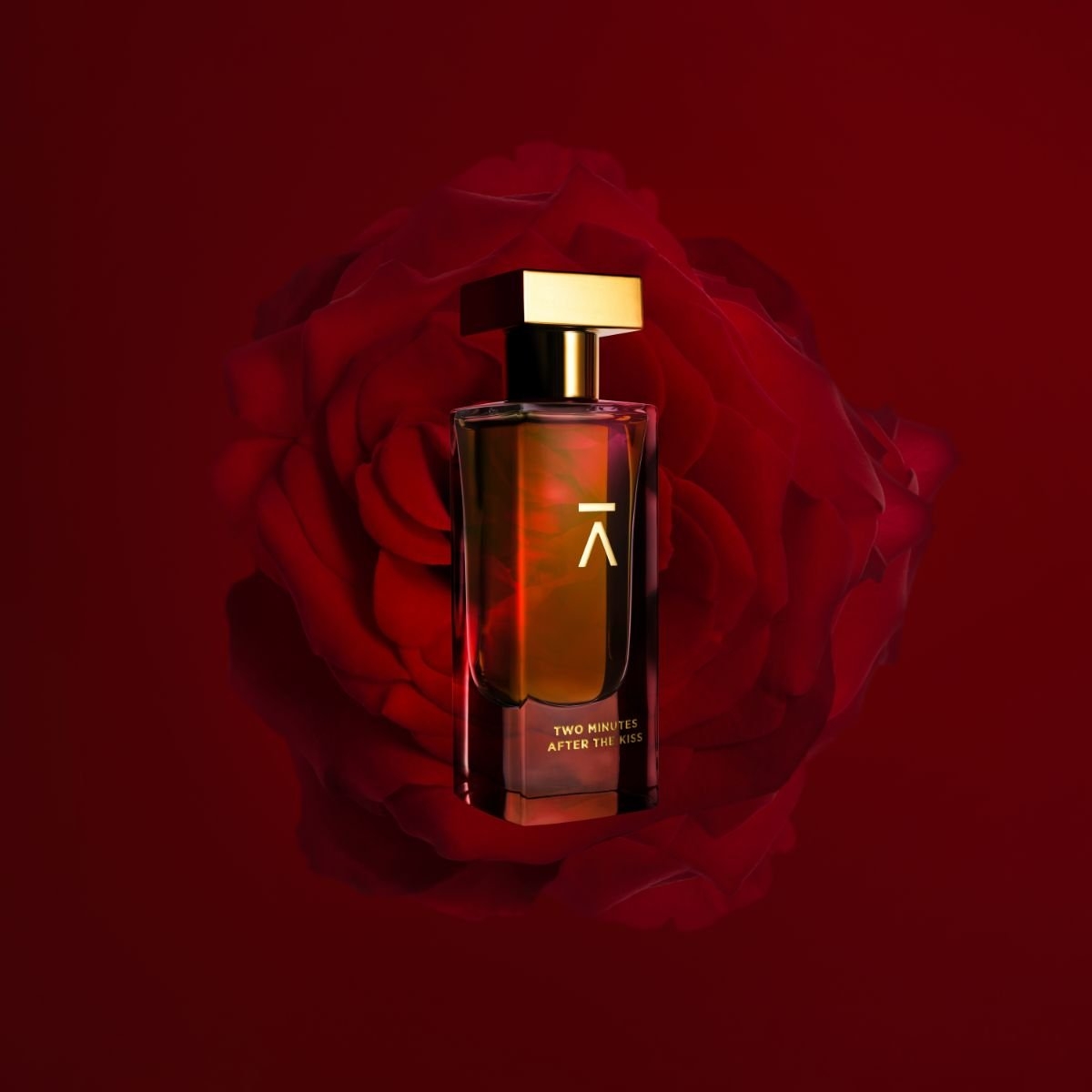
Oudh perfume: Discover the mystery of this ‘Liquid Gold’
Imagine a fragrance so deep, complex, and precious that it has been considered sacred in the Middle East for centuries. A scent that doesn’t fade but leaves a lasting, almost hypnotic impression. That is oudh.
At Perfume Lounge, where our passion for exclusive niche fragrances is central, we invite you into the world of this extraordinary ingredient. Whether you are an experienced collector or exploring the depth of heavier scents for the first time, oudh is a journey that leaves a lasting mark on your senses.
What is oudh and where does it come from?
Oudh (also known as ‘agarwood’ or ‘aloeswood’) is a resinous substance that forms in the heart of the Aquilaria tree, which primarily grows in the dense forests of Southeast Asia (think Laos, Cambodia, Vietnam, and India). But this is not a normal process.
The tree produces this dark, aromatic resin only as a defense mechanism against a specific fungal infection (Phialophora parasitica). Without this infection, Aquilaria wood is light in color and virtually odorless. Only when the tree is ‘sick’ does the resin formation process begin, which can take decades. It is a rare phenomenon: in the wild, only about 2% of these trees produce the precious resin. This directly explains its exclusivity. In technical terms, oudh perfume is the alcoholic solution in which the essential oil distilled from this infected wood takes center stage. The result is a raw material so rich that perfumers often consider it a perfume on its own.
How does oudh smell?
The question “what does oudh smell like?” is perhaps the hardest to answer definitively, which is what makes it so intriguing. A pure oudh scent is never monotonous; it is a kaleidoscope of aromas that seems to constantly shift on the skin. Its profile is more complex than almost any other natural ingredient.
At its base, oudh can be described as woody, smoky, and balsamic. But depending on its origin and the distillation method (steam distillation vs. CO2 extraction), it can reveal completely different facets. Indian oudh is known for its ‘barnyard’ character: animalic, earthy, hay-like, and sometimes even provocative. Oudh from Cambodia or Thailand is often softer, fruitier (think dried red fruit), and sweeter. In Western oudh perfumes, the ingredient is often skillfully ‘tamed.’ Perfumers polish the raw edges and combine it with rose, saffron, amber, or vanilla, resulting in a fragrance that radiates warmth, creates a mysterious aura, and has unparalleled longevity.
Why is oudh perfume so precious?
You may have noticed while browsing our webshop or visiting the store: high-quality oudh perfumes often come with a higher price tag. Why is oudh perfume so expensive? The main factor is scarcity. As mentioned, only a fraction of the trees produce the resin. Additionally, wild Aquilaria trees are threatened by overharvesting and protected under CITES regulations. Sustainable plantations are emerging, but the infection and maturation process takes years, sometimes decades.
The oil yield is extremely low. Producing 12 milliliters of pure oudh oil often requires at least 20 kilograms of infected wood. The price of the highest quality natural oil (‘kyara’) can easily surpass gold, reaching up to €50,000 per kilogram. Oudh is therefore aptly called ‘liquid gold.’ Choosing brands like Strangelove NYC or Azman means investing in perfumes that truly contain this precious natural oil. Many commercial brands use synthetic accords, which can also be beautiful, but they lack the depth and evolution of the ‘real deal.’ At Perfume Lounge, we are transparent about what you are buying and help you appreciate the nuance between synthetic mastery and the natural wonder of oudh.
Niche vs. designer: what’s the difference in oudh?
As niche perfume experts, we see a clear distinction in how mass-market brands versus niche houses approach oudh. In the mass market, ‘oudh’ is often just a marketing term for a synthetic wood accord that smells flat and linear. In niche brands like Azman, Strangelove NYC, and Parfum d’Empire, real natural oudh is used.
At Perfume Lounge, you’ll find oudh perfumes that are layered. They evolve throughout the day: a scent may open sharply, spicy, or intense, but give it time. These fragrances dry down beautifully, leaving a warm, golden glow that lingers. This is the ‘sillage’ (the scent trail) that enthusiasts seek.
Frequently asked questions about oudh (FAQ)
Certain questions come up repeatedly about oud. Here are the key answers to help you choose.
What is oudh perfume?
Oudh perfume is a fragrance composition in which the oil from the infected Aquilaria tree (agarwood) takes center stage. It is known for its depth, warmth, and exceptional longevity.
Where should I start when buying a luxury oudh perfume?
Start by determining your tolerance for ‘heavy’ scents. Do you prefer light, fresh fragrances? Try an entry-level oudh combined with citrus or florals. Are you a fan of leather and tobacco? Opt for a pure, dark oudh. We always recommend visiting us for tailored advice or requesting a sample so you can test the scent before opening the full bottle.
Why is oudh perfume so expensive?
The high price is due to the rarity of the raw material (only a small percentage of trees produce resin), the labor-intensive extraction process, and the years of maturation required for the highest quality oil.
How does oudh smell?
Oudh is complex: woody, balsamic, smoky, and sometimes sweet or animalic. It has a warm, earthy character that slowly develops on the skin.